Manufacturing Process and Quality Assurance for Anti-Decubitus Inflatable Mattresses
In the healthcare sector, anti-decubitus (pressure-relieving) inflatable mattresses serve as an essential assistive device, playing an irreplaceable role for patients who are bedridden for long periods. They not only effectively prevent the development of pressure ulcers (bedsores) but also enhance patient comfort and facilitate the recovery process. This article provides an in-depth exploration of the manufacturing processes and quality assurance measures for anti-decubitus inflatable mattresses.
I. Overview of the Manufacturing Process
The production of anti-decubitus inflatable mattresses is a complex and precise process, encompassing several key stages: material selection, air cell design, fabrication, integration of the inflation system, and quality inspection.
Material Selection
Materials form the foundation for producing high-quality anti-decubitus mattresses. Typically, high-grade TPU (thermoplastic polyurethane) or PVC (polyvinyl chloride) is used as the primary raw material. These materials offer excellent elasticity, durability, and water resistance; they also effectively inhibit bacterial growth, ensuring the health and safety of patients.
Air Cell Design
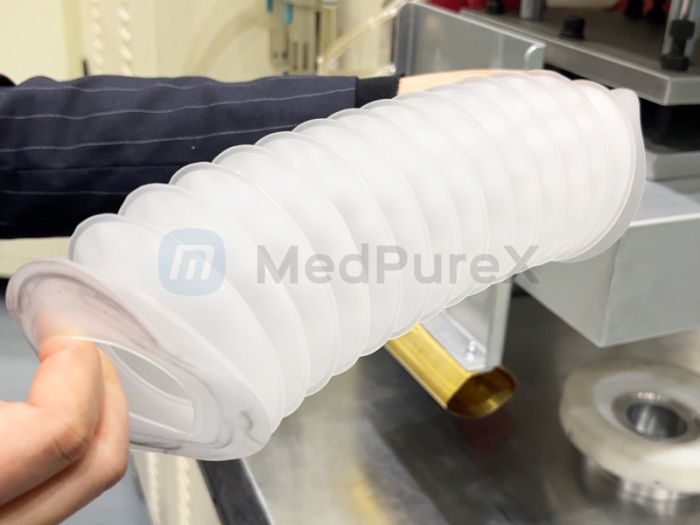
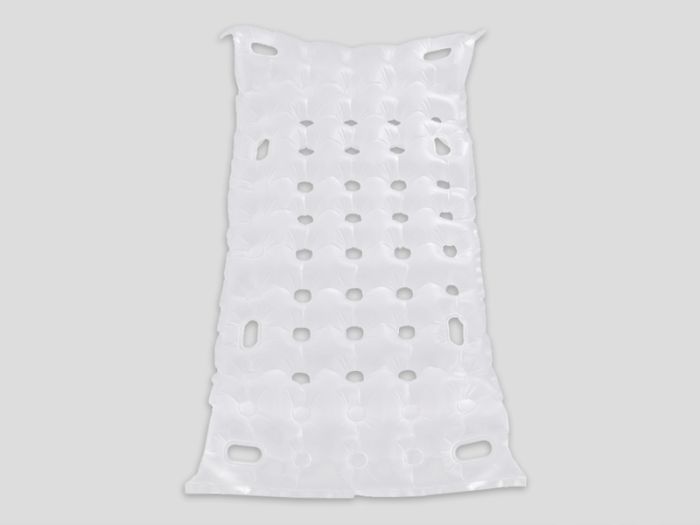
The design of the air cells directly determines the mattress's cushioning performance and its ability to distribute pressure. Designers carefully plan the shape, size, arrangement, and quantity of the air cells based on patient needs and the intended usage environment. Common air cell configurations include tubular (strip-style) and spherical (bubble-style) designs, each offering unique advantages and suitability for specific clinical scenarios.
Fabrication
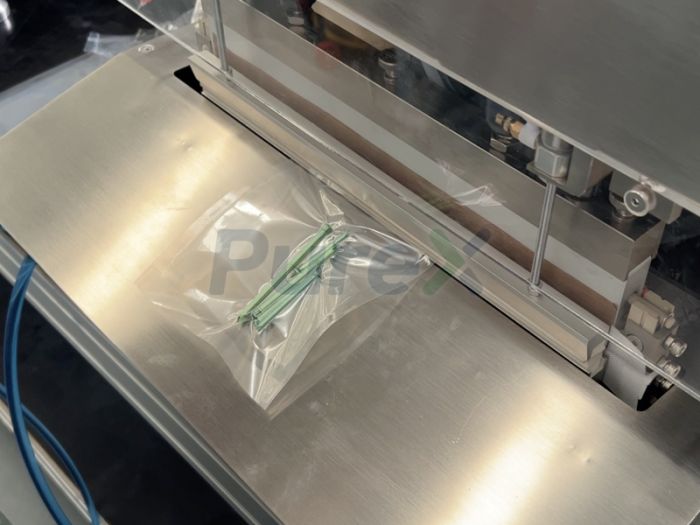
The fabrication phase involves several steps, including material cutting, high-frequency heat sealing, and final assembly. First, the selected materials are cut into the required shapes according to design specifications. Next, the components are bonded together—often using high-frequency heat sealing—to form the complete mattress structure. Finally, the air cells are enclosed within the mattress, followed by rigorous sealing to ensure airtightness and long-term durability.
Inflation System Integration
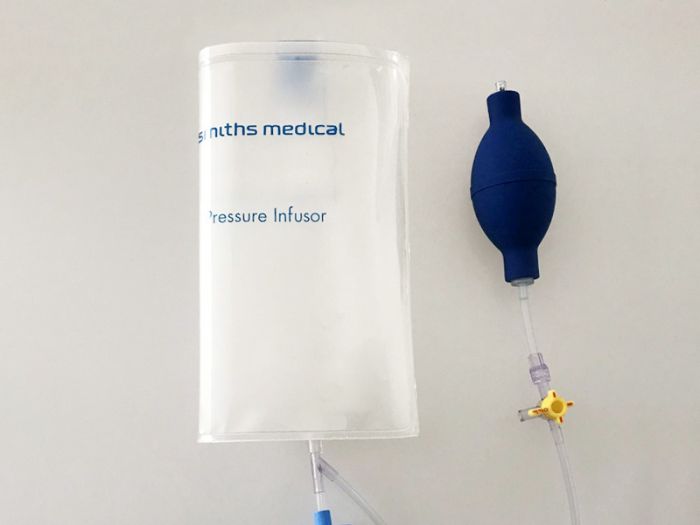
The inflation system is a critical component of an anti-decubitus mattress. It allows patients or caregivers to adjust the air pressure within the cells, achieving optimal comfort and effective pressure redistribution. During system integration, it is essential to ensure a stable and reliable connection between the inflation pump and the mattress, while verifying that parameters such as inflation speed and pressure meet the established design requirements. Quality Inspection
Once production is complete, anti-decubitus (pressure-relieving) inflatable mattresses must undergo rigorous quality inspection. This process covers various aspects, including the mattress's appearance, structural strength, airtightness, and inflation pressure. Only mattresses that pass these quality checks are permitted to enter the market, ensuring both safety and effectiveness for patients.
II. Quality Assurance Measures
To guarantee the consistent and reliable quality of anti-decubitus inflatable mattresses, manufacturers must implement a comprehensive set of quality assurance measures.
Strict Material Selection
In the material selection phase, companies must establish stringent criteria, conducting thorough evaluations of potential suppliers' qualifications and product quality. Only materials that meet these established standards may be used in the production process.
Precise Design
Design teams must develop products based on market demands and patient needs, ensuring an optimal balance of comfort and functionality. Furthermore, design proposals must undergo multiple rounds of review and optimization to ensure they are both scientifically sound and feasible.
Advanced Manufacturing Processes
Utilizing advanced production techniques and equipment significantly enhances both product quality and manufacturing efficiency. For instance, automated production lines minimize the impact of human error, while precision cutting and welding equipment ensure accurate material dimensions and robust bonding strength.
Rigorous Inspection
Quality inspection is a critical component of maintaining product standards. Companies must establish a robust quality control system to strictly monitor every stage of the production process. This includes a combination of random sampling and full-scale inspection of finished products to ensure that every unit meets all quality requirements.
Continuous Improvement
Companies must stay attuned to evolving market dynamics and patient needs, continuously refining and optimizing their products. By gathering user feedback and conducting market research, manufacturers can promptly identify any issues or shortcomings and implement necessary improvements.
The production of anti-decubitus inflatable mattresses is a complex and precise process. It requires careful management across multiple stages—including material selection, air-cell design, high-frequency heat sealing, integration of inflation systems, and quality inspection—to ensure consistent and reliable product quality. By implementing these comprehensive quality assurance measures, manufacturers can guarantee the quality and safety of their products, ultimately providing patients with a superior user experience and better health protection.