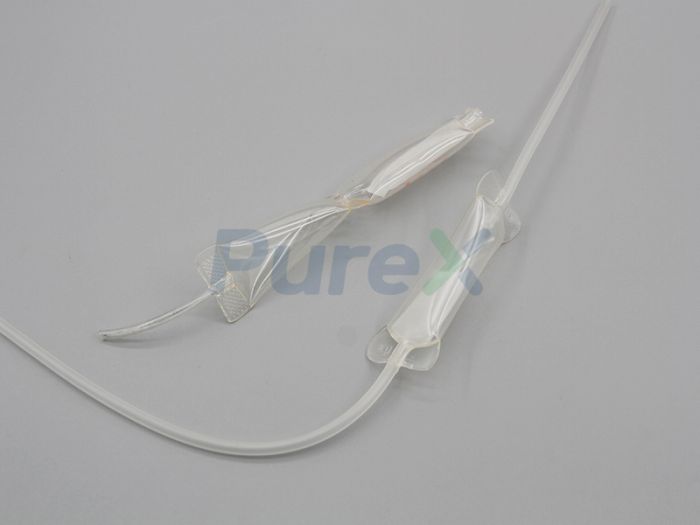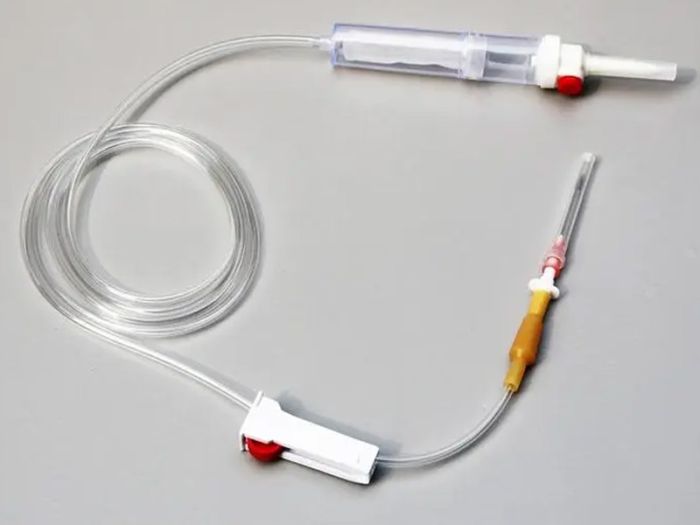
The heat sealing production process of blood bags
I. Core Processes of Blood Bag Heat Sealing Production
1. Material Selection
- Main Materials: Multi-layer composite films (e.g., PET/AL/PE, PVC/PE) with barrier properties, flexibility, and heat-sealing capability.
- Accessories: Blood collection tubes (PVC, TPU), ports (rigid plastic).
2. Heat Sealing Process Classification
| Process Type | Principle | Application Scenarios | Pros & Cons |
|---|---|---|---|
| High-Frequency Welding | High-frequency electromagnetic field heats materials via molecular friction | Catheter-to-bag connections, port sealing | High efficiency, excellent sealing; but high equipment cost |
| Hot Plate Welding | Direct heating via electric hot plate | Main body welding, large-area sealing | Low cost; prone to burrs |
| Ultrasonic Welding | Heat generated by ultrasonic vibration friction | Small-area sealing, catheter connections | Suitable for thin materials; lower efficiency |
II. High-Frequency Welding Process Details (Mainstream Technology)
1. Working Principle
- High-frequency oscillator generates a 27.12 MHz electromagnetic field, causing rapid molecular friction and heat.
- Pressure system ensures tight material contact during heating.
- Cooling system rapidly solidifies the weld for high-strength sealing.
2. Process Flow
- Pretreatment:
Clean material surfaces to avoid contamination.
Precisely cut composite films and tubes. - Positioning & Clamping:
Secure blood bags and tubes in molds using mechanical/pneumatic fixtures. - High-Frequency Heating:
Oscillator activates, heating materials to melting point in 0.5–2 seconds. - Pressure Welding:
Apply 0.2–0.8 MPa pressure to fuse molten materials. - Cooling & Solidification:
Weld cools and solidifies in 0.5–1 second. - Testing & Packaging:
Conduct leak tests (e.g., pressure retention) and visual inspections. Sterile packaging for qualified products.
III. Key Process Parameter Controls
| Parameter | Role | Typical Value | Control Guidelines |
|---|---|---|---|
| Frequency | Heating depth and efficiency | 27.12 MHz | Fixed value, no adjustment needed |
| Power | Adjusts welding temperature | 5–15 kW | Adjust based on material thickness |
| Pressure | Ensures material contact | 0.3–0.6 MPa | Insufficient pressure causes delamination; excess causes damage |
| Welding Time | Controls melt depth | 1–3 seconds | Prolonged time degrades materials |
| Mold Temperature | Prevents cold welding | 80–120°C | Adjust based on ambient temperature |
IV. Production Equipment & Automation
1. High-Frequency Welding Machine
- Structure: Oscillator, pressure system, molds, cooling unit.
- Automation:
Automatic feeding, positioning, welding, and inspection.
Integrated vision systems for real-time weld monitoring.
2. Automated Production Line
- Process Flow:
- Film unwinding → 2. Cutting → 3. Tube insertion → 4. Welding → 5. Inspection → 6. Packaging.
- Advantages:
≥50% efficiency improvement, reduced labor costs, minimized human error.
V. Quality Control & Testing
1. Weld Quality Tests
- Leak Test: Inflate to 0.1–0.3 MPa for 30 seconds; ≤5% pressure drop indicates pass.
- Peel Test: Weld strength must reach ≥70% of base material strength.
- Visual Inspection: Smooth seams, no burrs/bubbles.
2. Biocompatibility Tests
- Leachables Testing: Ensure no harmful substances are released from welded materials.
.jpg)