Medical grade thermal bonding welding: non-woven sterile surgical hanging order and TPU window opening film sealing connection
I. Material Properties
Disposable Non-Woven Fabric:
Non-woven fabric is soft, breathable, water-resistant, and eco-friendly, making it an ideal material for surgical drapes.
It effectively blocks microbes and dust while maintaining a clean and dry surgical area.
TPU Window Film:
TPU (Thermoplastic Polyurethane) is a high-performance elastic material with excellent abrasion resistance, tear resistance, and elastic recovery.
It also boasts superior clarity and chemical stability, allowing the window film to provide clear visibility of the surgical field while maintaining a sterile environment.
II. Thermal Welding Process
Welding Principle:
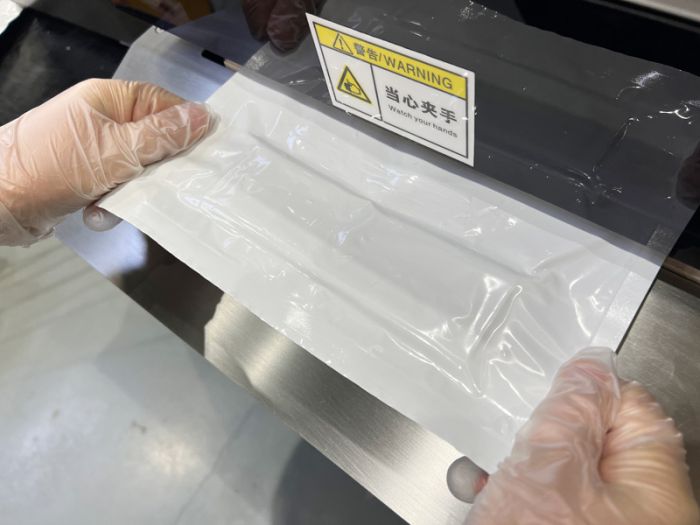
Thermal welding involves heating the contact surfaces of two materials to melt them, followed by cooling and solidification under pressure to achieve a bonded connection.
This process requires precise control of parameters such as temperature, pressure, and duration to ensure weld quality and material sterility.
Welding Equipment:
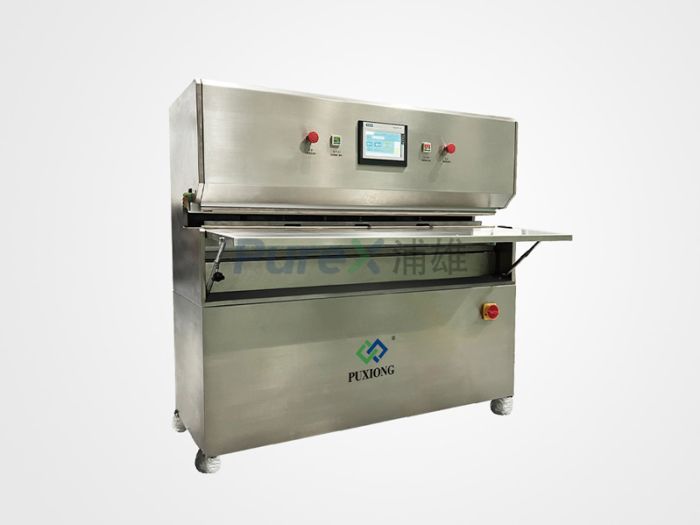
High-frequency welding machines are commonly used.
These devices enable precise control of heating and cooling cycles, delivering consistent weld quality.
Welding Steps:
- Material Preparation: Cut the non-woven fabric and TPU window film to the required size and shape based on design specifications.
- Equipment Activation: Heat the contact surfaces of the materials to their melting point using the welding machine.
- Pressure Application: Apply appropriate pressure to ensure tight contact and fusion between the heated materials.
- Cooling and Solidification: Allow the materials to cool under pressure, forming a strong and seamless weld.
Welding Precautions:
- Temperature Control: Excessive heat may cause charring or deformation, while insufficient heat prevents proper material fusion.
- Pressure Management: Uneven or excessive pressure can lead to material rupture or weak bonds.
- Cleanliness: Ensure contact surfaces are free of contaminants, grease, or oil to avoid compromising weld integrity.
III. Weld Quality Evaluation
- Visual Inspection: Check the weld seam for smoothness, uniformity, and absence of cracks or bubbles.
- Seal Integrity Testing: Perform pneumatic or hydrostatic pressure tests to verify the weld can withstand pressure without leakage.
- Sterility Testing: Validate that the welded surgical drape meets medical sterility standards through microbiological testing.
Conclusion
The thermal welding of disposable non-woven surgical drapes with TPU window film is a precise and intricate process. Stringent control of parameters, coupled with robust quality control measures, ensures both weld reliability and material sterility. By optimizing welding techniques and adhering to medical standards, high-quality sterile surgical drapes can be produced, offering critical support for safe and effective medical procedures.