How is the heat sealing connection process of the optimized disposable blood transfusion device
1. Material selection and pretreatment
1. Material selection:
The optimized process prefers to use medical-grade polymer materials that meet medical device standards, such as polyvinyl chloride (PVC), polyolefin (PO), etc. These materials not only have good biocompatibility, but also have excellent chemical resistance and aging resistance, which can ensure that the blood transfusion device is harmless to patients and has stable performance during use.
2. Pretreatment:
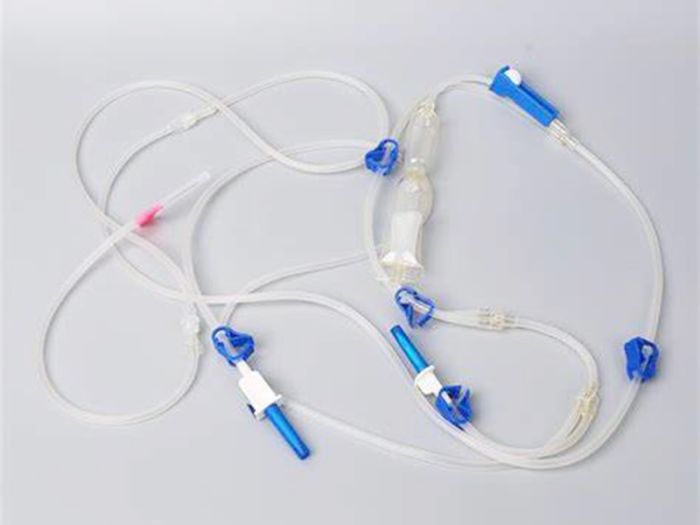
Before heat-sealing, the connection ends of the drip bucket and the hose are strictly pretreated, including cutting, cleaning and drying. These pretreatment measures ensure the flatness and cleanliness of the connection surface, providing a good foundation for subsequent heat-sealing.
2. Process parameter optimization
1. Heating temperature and time:
Through repeated experiments and data analysis, the optimal heating temperature and time range were determined. These parameters ensure that the material can achieve good fluidity during the melting process and avoid deformation or burning caused by overheating, thereby improving the quality of the heat-sealed connection.
2. Pressure control:
During the pressing process, the applied pressure is precisely controlled. Appropriate pressure allows the molten material to fully diffuse on the joint interface and form a strong connection, while avoiding material extrusion or damage caused by excessive pressure.
III. Equipment upgrade and automation
1. Equipment upgrade:
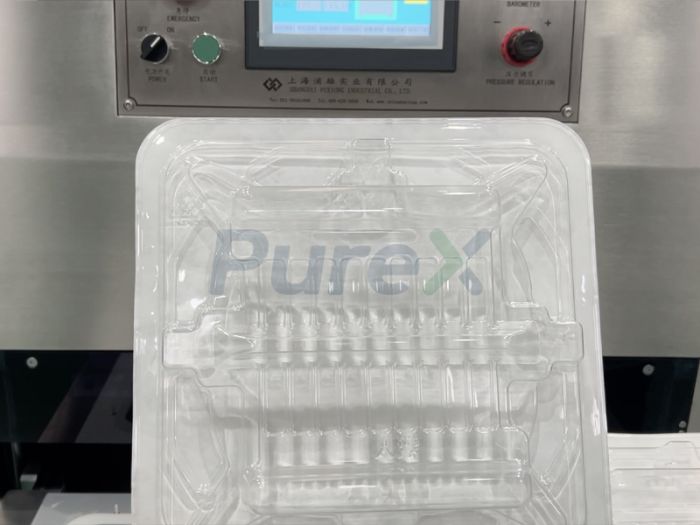
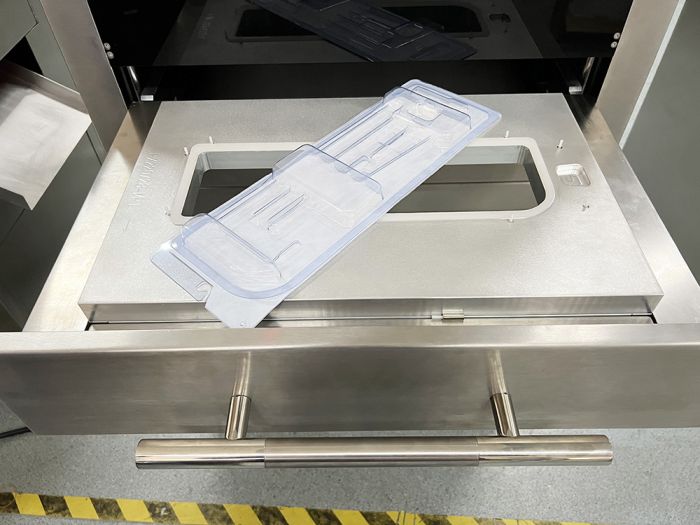
Advanced heat sealing equipment such as high-frequency heat sealing machine or blood sterile heat sealing machine have been introduced. These devices can more accurately control parameters such as heating temperature, time and pressure, improving the accuracy and efficiency of heat sealing connection.
2. Automated production:
The automation of the production process has been achieved, reducing the impact of human factors on product quality. Through the automatic control system, each link in the production process is monitored and adjusted in real time to ensure the stability and consistency of product quality.
IV. Quality inspection and monitoring
1. Quality inspection:
A complete quality inspection system has been established to conduct strict quality inspections on components after heat sealing connection. These inspections include sealing tests, strength tests, etc. to ensure that the connection quality meets the standard requirements.
2. Online monitoring and traceability:
An online monitoring and traceability system has been implemented to record and monitor key parameters in the production process in real time. This enables the cause to be quickly traced and measures to be taken to solve problems when they occur, improving the controllability and traceability of the production process.
V. Overall Effect
The optimized heat-sealed connection process for disposable blood transfusion sets has achieved remarkable results in many aspects:
Improved product quality: By optimizing process parameters and upgrading equipment, the sealing, strength and sterility of the blood transfusion sets are improved, ensuring the safety and reliability of the products.
Reduced production costs: Automated production reduces manual intervention and scrap rates, improves production efficiency and reduces production costs.
Enhanced market competitiveness: High-quality products and stable production processes make companies more competitive in the market, better able to meet customer needs and win market share.
The optimized heat-sealed connection process for disposable blood transfusion sets has achieved significant improvements in material selection, process parameters, equipment upgrades, quality inspection and overall effects, providing the medical field with safer and more reliable disposable blood transfusion sets.