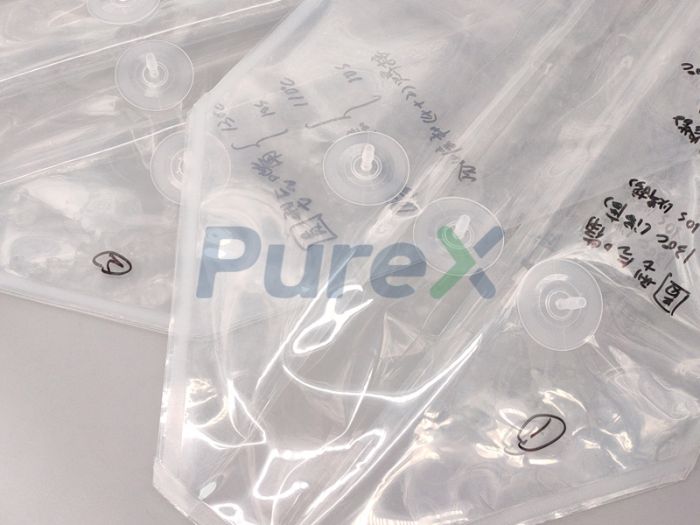
What is the application of the heat sealing process in the production of infusion pressure bags
I. Ensuring Sealing Performance
The heat sealing process ensures the sealing performance of infusion pressure bags by melting and bonding material surfaces through controlled heating. In production, thermal bonding technology is widely applied to critical areas such as bag sealing and tubing connections. By precisely controlling parameters like temperature, pressure, and duration, materials achieve thorough melting and tight adhesion, effectively preventing leaks. This sealing performance is crucial for maintaining sterility of the liquid, avoiding contamination, and ensuring smooth infusion procedures.
II. Improving Production Efficiency
Advanced heat sealing technologies significantly reduce processing time and enhance productivity. Optimizing sealing parameters and workflows enables rapid, precise bonding, thereby shortening production cycles and lowering costs. This efficiency is vital for meeting market demands and boosting product competitiveness.
III. Guaranteeing Product Quality
Beyond sealing integrity, the heat sealing process elevates overall product quality. Rigorous quality inspections and process controls ensure every bonded joint exhibits reliable sealing and stability. Such consistency enhances product reliability and safeguards patient safety during clinical use.
IV. Adapting to Diverse Production Needs
Heat sealing demonstrates exceptional versatility, accommodating materials of varying flexibility, specifications, and production scales. This adaptability positions it as a cornerstone technology for infusion pressure bag manufacturing, whether for soft/hard materials or small/large batch production.
V. Optimizing Production Workflows
The heat sealing process integrates seamlessly with other manufacturing stages (e.g., cutting, printing, assembly) to form efficient, automated production lines. Such integration enhances productivity, reduces costs, and ensures product uniformity and consistency.
.jpg)