Assembly process and precautions of medical blood transfusion devices
With the continuous advancement of medical technology, blood transfusion therapy has become a critical treatment method for various diseases. As key equipment in the transfusion process, the assembly quality of medical blood transfusion sets directly impacts transfusion safety. This article provides a detailed explanation of the assembly process and essential considerations for medical blood transfusion sets, offering valuable reference for healthcare professionals.
I. Preparation before Assembly
A. Component Verification
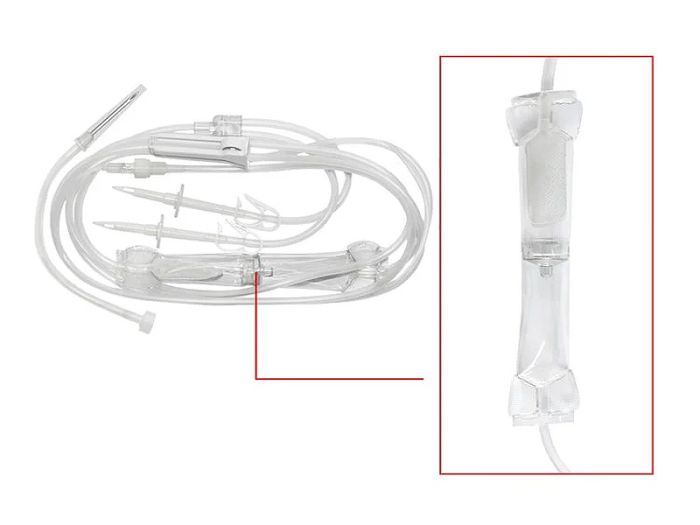
Before assembling the blood transfusion set, carefully verify all components to ensure quantity, specifications, and quality meet requirements. This includes the transfusion set itself, filters, needles, syringes, etc.
B. Package Inspection
Check the integrity of the transfusion set packaging. Replace damaged packages immediately. Inspect component packaging to confirm no transportation-related damage.
C. Manual Review
Thoroughly read the product manual to understand performance specifications, usage instructions, and precautions for proper operation.
II. Blood Transfusion Set Assembly Process
A. Unpacking
Remove the transfusion set from packaging and inspect for physical damage or abnormalities. Report issues to suppliers promptly if found.
B. Disassembly
Follow manual instructions to disassemble external and internal components. Avoid damaging any parts during this process.
C. Assembly Steps
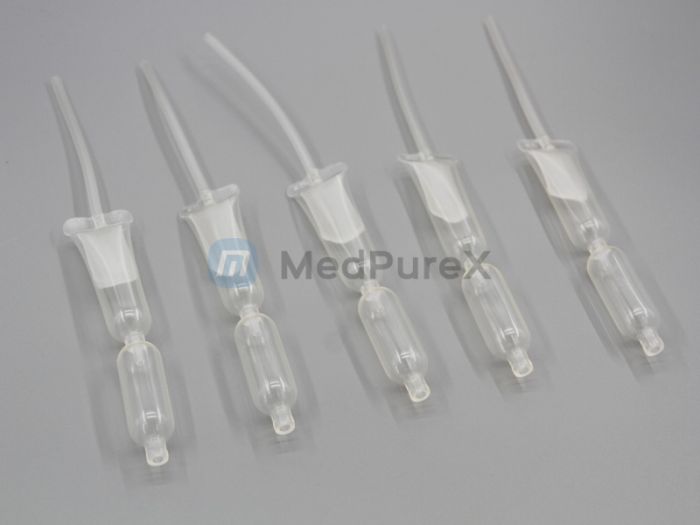
- Secure the filter to the liquid outlet of the transfusion set.
- Insert the needle into the filter's connection port.
- Position the syringe plunger beneath the needle, exposing an appropriate length.
- Connect the set's liquid inlet to the syringe plunger for fluid transfer.
- Link the air chambers of the transfusion set and syringe to monitor pressure during transfusion.
D. Quality Inspection
After assembly, confirm:
- Secure component connections
- Unobstructed tubing
- Smooth valve operation
Address any issues through repair or replacement.
E. Cleaning & Disinfection
- Mix specialized cleaning agent and disinfectant.
- Wipe all surfaces with a soft cloth.
- Rinse thoroughly with clean water.
- Air-dry in a cool, dry environment.
III. Key Considerations
A. Strict Protocol Compliance
Follow manufacturer guidelines and standard operating procedures precisely. Never skip or modify steps.
B. Component Selection
Use reputable, compatible components to ensure proper functionality and transfusion efficacy.
C. Hygiene Maintenance
- Maintain sterile hands and tools during assembly.
- Perform regular post-assembly disinfection.
D. Damaged Part Replacement
Immediately replace any worn or defective components to prevent safety risks.
Conclusion
The assembly of medical blood transfusion sets requires technical expertise and professional knowledge. Healthcare practitioners must strictly adhere to operational protocols while implementing the outlined precautions to ensure transfusion safety and effectiveness.