In-depth Applications of TPU Materials in the Medical Industry
Thermoplastic polyurethane (TPU) is extensively and diversely applied in the medical industry, primarily due to its excellent biocompatibility, mechanical properties, wear resistance, chemical resistance, and favorable processability. The following is a detailed overview of the in-depth applications of TPU in the medical sector:
I. Medical Catheters
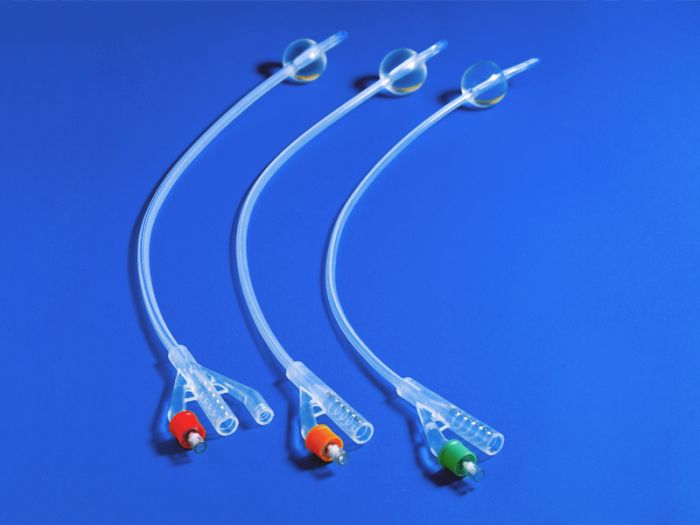
Thanks to its softness and elasticity, TPU has become the material of choice for manufacturing medical catheters, including infusion lines, urinary catheters, respiratory tubes, and cardiac catheters. The flexibility and elasticity of TPU allow for easy insertion and removal without damaging bodily tissues, while its mechanical stability and biocompatibility meet the rigorous standards required for medical-grade products. For instance, flexible endoscope tubes made of TPU offer high strength and pliability, ensuring smooth operation during examinations; they are non-toxic and free of adverse side effects, satisfying the high-performance requirements for fiber-optic endoscopes. Furthermore, TPU-based tracheal tubes—lightweight and flexible—not only enhance patient comfort but also help prevent radiation-related damage, making them an indispensable, advanced component in modern medical practice.
II. Implants and Artificial Organs
TPU also excels in the field of implants and artificial organs. As an ideal material for artificial blood vessels, TPU offers excellent hemocompatibility and durability; it effectively minimizes immune responses and the risk of thrombus formation upon contact with blood, ensuring the long-term structural stability and functionality of the artificial vessels. Additionally, TPU is used to fabricate components for cardiac assist devices—such as housings and internal seals for heart pumps—which must withstand the high-intensity impact of blood flow as well as the long-term stresses of a patient’s daily activities. With its high strength, wear resistance, and superior elasticity, TPU ensures the stability and sealing integrity of these components, thereby safeguarding the overall safety and reliability of cardiac assist devices.
III. Medical Films and Dressings
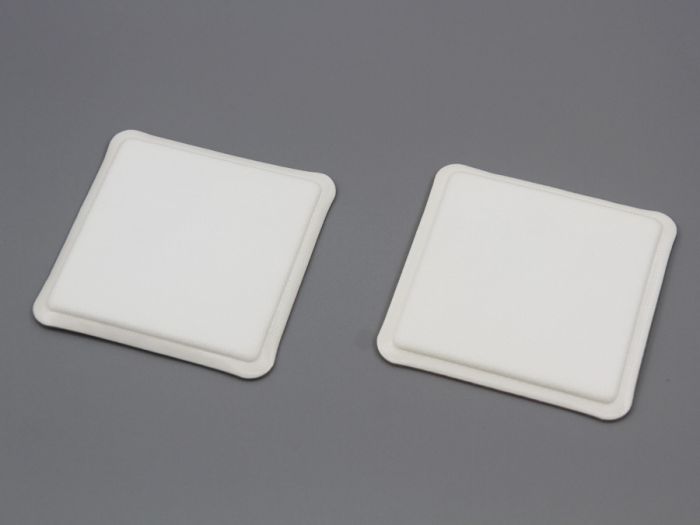
While traditional PE and PVC films are widely used for medical protection, they suffer from drawbacks such as poor breathability and a tendency to cause patient discomfort. In contrast, medical-grade TPU films—characterized by their softness, skin-friendliness, high elasticity, excellent moisture permeability, and superior waterproof properties—offer significant advantages in applications such as wound dressings, surgical drapes, and protective gloves. These films not only remain securely in place during surgical procedures but also inhibit the transfer of pathogens, thereby substantially reducing infection rates. Furthermore, due to its excellent breathability and ability to promote skin growth, TPU foam is widely used in artificial skin and wound dressings; it accelerates epidermal regeneration, prevents the loss of moisture and inorganic salts from the wound site, and lowers the risk of bacterial infection.
IV. Medical Protective Equipment
TPU materials also play a vital role in the field of medical protection. For instance, TPU-based medical protective clothing and isolation layers can provide a protection level of Class 4 or higher, effectively blocking viruses and bacteria while maintaining breathability and durability. Such protective gear proved particularly crucial during the pandemic, offering essential safety for healthcare personnel.
V. Controlled Drug-Release Systems
By adjusting the molecular structure and porosity of TPU materials, it is possible to achieve precise, controlled release of medication, which enhances drug bioavailability and therapeutic efficacy. This gives TPU broad potential for application in controlled drug-release systems.
VI. Wearable Medical Devices
TPU materials are also utilized in the fabrication of wearable medical devices, such as electronic patches and smart wristbands. These devices enable real-time monitoring of a patient’s physiological indicators, providing critical data to support medical diagnosis and treatment.
The extensive application of TPU in the healthcare sector encompasses a wide range of areas, including medical catheters, implants and artificial organs, medical films and dressings, protective equipment, controlled drug-release systems, and wearable medical devices. As medical technology continues to advance and public focus on health and wellness intensifies, the prospects for TPU applications in the medical industry will become even more expansive.