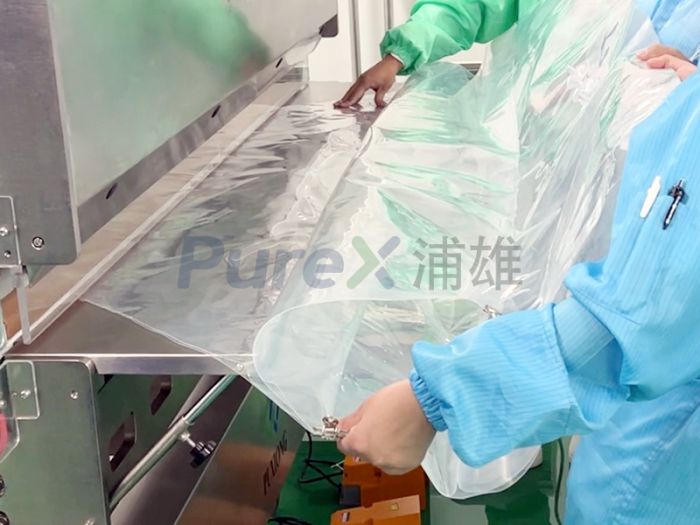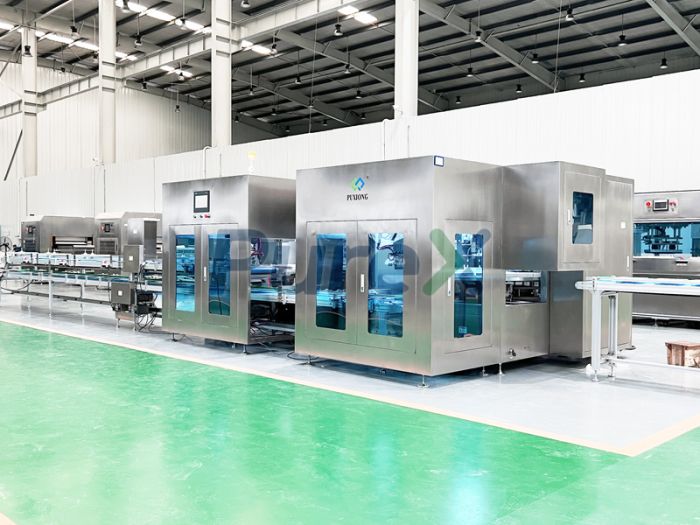
TPU oxygen bags utilize a precision heat-sealing process to set a new standard for sealing.
We can discuss this in detail from the aspects of TPU material characteristics, the selection and advantages of heat sealing processes, and the realization of new sealing standards.
I. Characteristics of TPU Material
TPU (Thermoplastic Polyurethane) is a polymer material with excellent physical and chemical properties, particularly suitable for making products requiring high sealing performance, wear resistance, and chemical corrosion resistance, such as oxygen bags. Its characteristics include:
Excellent elasticity and toughness: TPU material can quickly recover its original shape after being subjected to external force, and is not prone to permanent deformation.
Abrasion resistance: Compared with other plastic materials, TPU has higher abrasion resistance and can withstand long-term use without easily wearing down.
Chemical corrosion resistance: It has good resistance to a variety of chemicals and will not deteriorate or be damaged upon contact.
Sealing performance: TPU material is easy to process into various shapes, and the processed products have good sealing performance.
.jpg)
II. Selection and Advantages of Precision Heat Sealing Processes
To create a new sealing standard for TPU oxygen bags, a precision heat sealing process needs to be selected. Here are some common heat sealing processes and their advantages:
Radio Frequency Welding
Advantages: Radio frequency welding uses heat generated by radio waves to melt and bond TPU materials. This process offers consistent quality, thin and strong welds, short sealing cycles, and the ability to create tear seals at weld edges. It is particularly suitable for medical devices with strict requirements on weld width, such as implantable devices.
Ultrasonic Welding
Advantages: Ultrasonic welding uses ultrasonic vibration energy to melt thermoplastic workpieces at the interface, forming a bond. This process has certain requirements on the material's melting temperature, elastic modulus, and structure, but it is suitable for rigid TPU materials and can form strong, uniform molecular bonds.
Hot Plate Welding
Advantages: Hot plate welding is another variation of direct heat sealing, using a heated plate to melt and press TPU materials together. This process is suitable for most thin thermoplastic films, including TPU, and is easily automated.
III. Achieving the New Sealing Standard
To achieve the new sealing standard for TPU oxygen bags, efforts are needed in the following aspects:
Optimizing Material Selection: Selecting high-quality TPU materials to ensure their physical and chemical properties meet the standard requirements.
Precisely Controlling Heat Sealing Parameters: During the heat sealing process, parameters such as temperature, pressure, and time need to be precisely controlled to ensure the quality and sealing of the weld.
Strengthening Quality Inspection: Conducting rigorous quality inspections on the produced TPU oxygen bags, including visual inspection, sealing tests, and pressure tests, to ensure the products meet the requirements of the new sealing standard.
Continuously Improving the Process: Based on actual production conditions and customer feedback, continuously optimize the heat sealing process to improve production efficiency and product quality.
Precision heat sealing of TPU oxygen bags requires comprehensive consideration of multiple aspects, including material selection, heat sealing process optimization, quality inspection, and process improvement. Through continuous efforts and innovation, safer, more reliable, and more efficient TPU oxygen bag products can be produced.