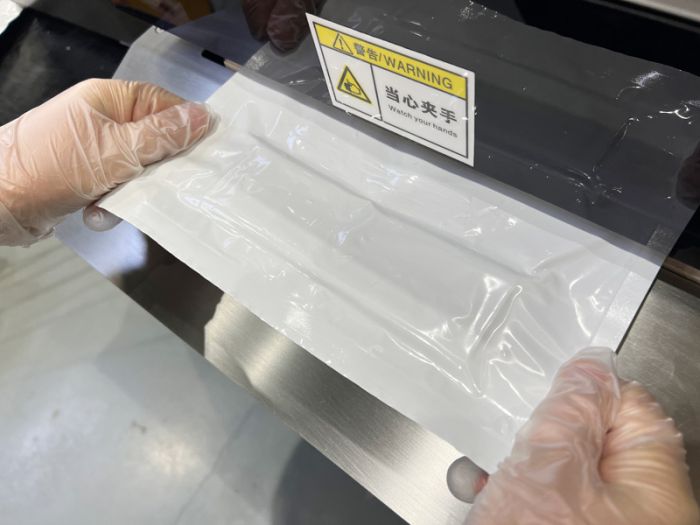
Detailed requirements for the packaging and sealing of Class III medical devices
Packaging sealing for Class III medical devices is a critical step that directly impacts the sterility, safety, and efficacy of the devices. Below is a detailed analysis of the sealing requirements for Class III medical device packaging:
I. Selection of Sealing Materials
Sterility: Sealing materials must maintain the sterile state of the medical device and prevent microbial ingress.
Physical Properties: Materials should possess good physical properties—such as resistance to abrasion, tearing, and water—to ensure seal integrity during transport, storage, and use.
Printability: To facilitate identification and traceability, sealing materials should offer good printability.
.jpg)
II. Seal Width Requirements
Seal width is a key factor in ensuring seal quality. According to the domestic medical device registration standard GB/T 19633-2005 (please note that standards may be updated; consulting the latest version is recommended), the width of the medical seal should be at least 5 mm, and the width and length of each seal must meet specified requirements. Additionally, medical devices of varying sizes and shapes may require different seal widths to ensure reliability and stability.
III. Sealing Process Requirements
Cleanliness: Before sealing, the cleanliness of the sealing area and equipment must be ensured to prevent contamination by impurities or microorganisms.
Temperature and Pressure: Appropriate temperature and pressure must be maintained during the sealing process to ensure the seal is secure and airtight.
Quality Inspection: Upon completion of sealing, the quality of the seal must be inspected—checking for integrity, uniformity, and strength.
IV. Seal Labeling Requirements
Relevant information—such as the date of manufacture, expiration date, batch number, and manufacturer details—should be clearly marked on or near the seal to facilitate traceability and management. Furthermore, if the product requires specific storage conditions or usage instructions, these should also be indicated on the seal or packaging.
V. Special Considerations
Aseptic Technique: Strict adherence to aseptic operating procedures is required throughout the sealing process to avoid any actions that could lead to contamination.
Regulatory Compliance: Sealing practices must comply with relevant national and local regulations and standards, such as medical device registration standards and Good Manufacturing Practices (GMP). Continuous Improvement: As technologies and regulations constantly evolve, enterprises should remain attentive and adaptable to these changes, continuously improving and optimizing sealing processes and material selection.
The sealing of packaging for Class III medical devices is a complex and critical process that requires the comprehensive consideration of multiple factors to ensure product sterility, safety, and effectiveness.
.png)