Does the material of the blood pressure cuff bladder affect the measurement results?
The material of the blood pressure cuff bladder indeed affects measurement results. Below is a detailed analysis covering several aspects:
I. Physical Properties of the Material
The material used for the blood pressure cuff bladder must possess good elasticity, wear resistance, aging resistance, and airtightness. These physical properties directly influence the stability and reliability of the cuff during use.
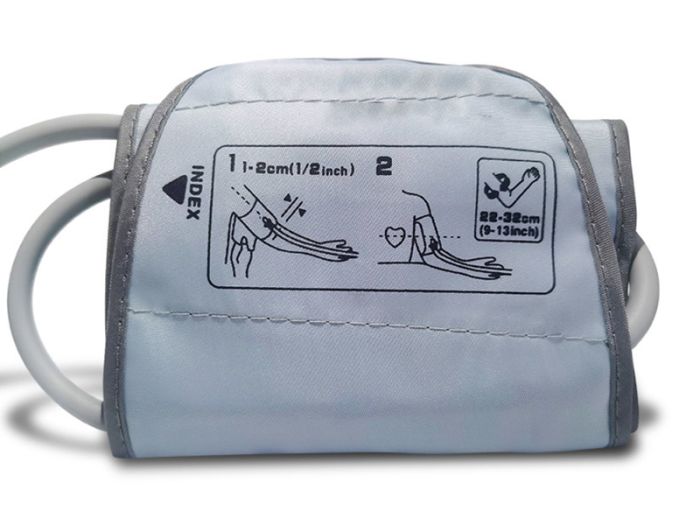
Elasticity: Good elasticity ensures the cuff fits snugly around the patient's upper arm during inflation, preventing measurement errors caused by a loose fit. If the bladder material lacks sufficient elasticity, the cuff may fail to compress the artery effectively, thereby compromising measurement accuracy.
Wear Resistance: Blood pressure cuffs undergo repeated inflation and deflation cycles; therefore, the bladder material requires good wear resistance to prevent damage or air leaks resulting from prolonged use.
Aging Resistance: The bladder material must also withstand environmental factors—such as oxidation and ultraviolet (UV) radiation—to ensure consistent performance over the long term.
Airtightness: Airtightness is a critical characteristic of the bladder. Any air leakage in the material will directly lead to inaccurate blood pressure readings.
II. Direct Impact of Material on Measurement
Inflation Performance: Bladders made of different materials may behave differently during inflation. Some materials reach the target inflation pressure more easily, while others may require more time or higher pressure to achieve the same result. This affects both the accuracy and efficiency of the measurement.
Fit: The elasticity and softness of the bladder material influence how well the cuff conforms to the patient's upper arm. A cuff with a good fit compresses the artery more accurately, yielding precise blood pressure readings, whereas a poor fit can lead to falsely high or low results.
III. Selection Recommendations
To ensure accurate blood pressure measurements, it is advisable to consider the bladder material when selecting a cuff. Generally, high-performance elastomer materials—such as TPU (thermoplastic polyurethane)—are ideal choices. These materials not only offer excellent physical properties but also ensure the cuff's stability and reliability during use.
Additionally, proper cleaning and maintenance of the blood pressure cuff bladder are essential. Regular cleaning of the bladder removes dirt and bacteria, extends the cuff's service life, and ensures measurement accuracy. Additionally, proper usage techniques and precautions—such as selecting the correct cuff size and keeping the arm relaxed—must be observed to guarantee accurate and reliable results.
The material of the cuff bladder significantly impacts measurement results. When selecting and using a blood pressure cuff, it is important to consider the bladder's material and performance characteristics while adhering to proper usage guidelines and precautions.