Application of collection bags in medical waste reduction
I. Categorized Collection
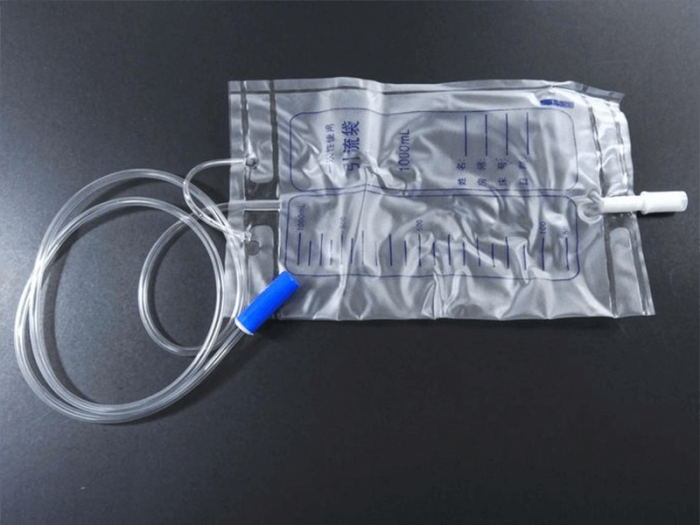
Medical waste is generally classified into several categories based on its nature, source, and degree of hazard, including infectious waste, sharps waste, pathological waste, pharmaceutical waste, and chemical waste. Using dedicated medical waste collection bags allows for clear differentiation and collection of different categories of waste.
(1) Infectious waste: Collected in medical waste packaging bags that comply with the "Standards for Special Packaging Bags, Containers, and Warning Signs for Medical Waste," ensuring that waste does not leak or pollute the environment during transportation and storage.
(2) Sharps waste: Collected in standard sharps containers. When the sharps container is 3/4 full, it should be tightly sealed and transported and stored according to the established procedures to reduce harm to the human body and environmental pollution from sharps.
II. Optimized Transportation
Using dedicated medical waste collection bags ensures the safety and stability of waste during transportation. These collection bags typically have good sealing and durability, preventing leakage or scattering of waste during transportation, thereby reducing environmental pollution.
III. Standardized Storage
Medical waste also requires the use of dedicated collection bags during storage. These bags typically have clear labels and warning signs to remind people of the hazards and treatment requirements of the waste. Furthermore, standardized storage methods can reduce secondary and cross-contamination during storage.
IV. Promoting Resource Recycling
Promoting the recycling of waste can help. Some medical waste, such as plastic bags and infusion bottles, can be transformed into renewable resources for manufacturing new products after proper treatment and disinfection. This not only reduces the amount of waste generated but also conserves resources and lowers production costs.
V. Raising Environmental Awareness
Through clear classification and collection requirements, people can better understand the hazards and treatment requirements of medical waste, thus becoming more actively involved in waste reduction efforts.
.jpg)