Classification of Blood Pressure Cuff Bladder Materials and Heat-Sealing Manufacturing
Blood pressure cuff bladders are primarily made from the following materials, each requiring a different heat-sealing production method:
I. Material Types
TPU (Thermoplastic Polyurethane)
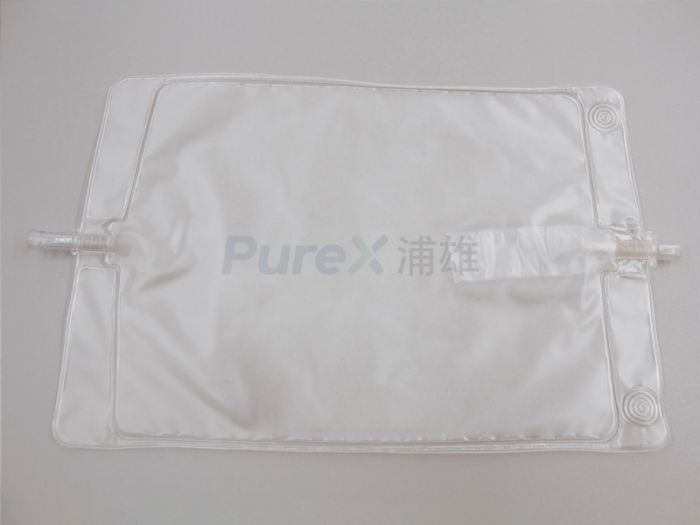
TPU is a high-performance elastomer widely used in the production of blood pressure cuff bladders. It offers excellent elasticity, wear resistance, aging resistance, and airtightness, making it an ideal material for this application.
Rubber
Rubber is another common material for blood pressure cuff bladders. While it also provides good elasticity and sealing properties, its durability may be slightly inferior to TPU, and it may be more prone to aging in certain environments.
Silicone
Silicone, a soft yet durable material, is used in the production of some high-end blood pressure cuff bladders. Silicone bladders offer excellent elasticity and good biocompatibility, posing no harm to the human body; however, the material is relatively expensive.
Other Polymer Materials
In addition to the materials mentioned above, other polymer materials are also used to manufacture blood pressure cuff bladders. These materials generally possess similar physical and chemical properties that meet the functional requirements of the bladders.
II. Production and Heat-Sealing Methods
The production of blood pressure cuff bladders generally involves the following steps, though specific procedures may vary depending on the material and production equipment used:
Material Preparation
First, rolls of TPU, rubber, or other polymer materials must be prepared. These materials typically undergo rigorous quality testing to ensure they meet production specifications.
Cutting
Cutting equipment is used to cut the material rolls into individual sheets or pieces of the appropriate length. This step is crucial for the subsequent heat-sealing process.
Heat-Sealing
Heat-sealing is a critical step in the production of blood pressure cuff bladders. The specific heat-sealing method varies based on the chosen material and production equipment.
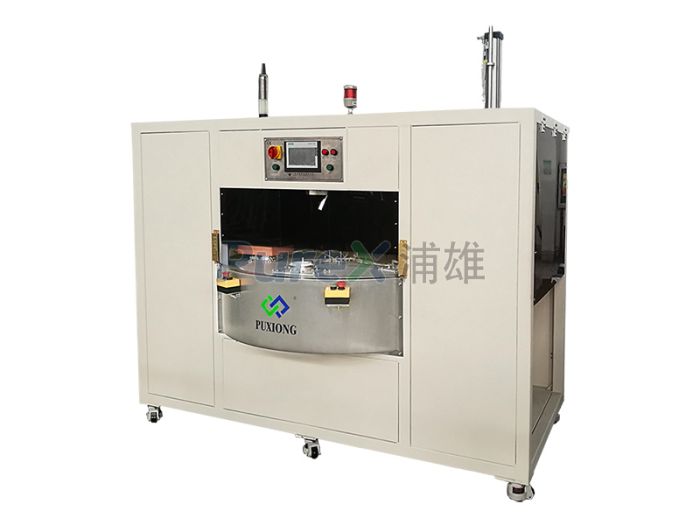
For thermoplastic materials like TPU, heat-sealing machines are typically used. The cut material is placed into the machine's mold, and heat and pressure are applied to fuse the material together. Parameters such as temperature, pressure, and duration must be strictly controlled during the process to ensure high-quality seals and product airtightness. For materials such as rubber, specialized vulcanization processes may be required for heat-sealing and fabrication. Vulcanization triggers a chemical reaction within the rubber material under high temperature and pressure, creating a stable cross-linked structure that enhances the product's wear resistance, aging resistance, and airtightness.
Cutting and Final Assembly
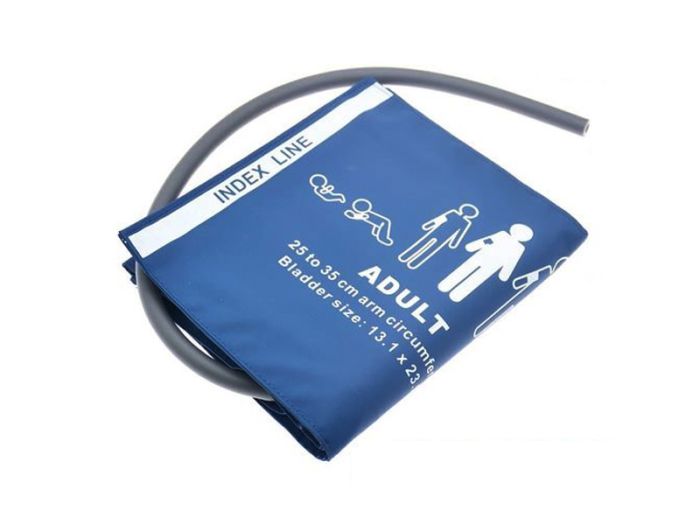
Once heat-sealing is complete, the product typically undergoes cutting and trimming to remove excess material and irregular edges. The cut bladder is then assembled with other components—such as the cuff sleeve—to form the complete blood pressure cuff.
Quality Inspection
Finally, the manufactured blood pressure cuff bladders undergo quality inspection. Testing covers aspects including, but not limited to, airtightness, elasticity, and wear resistance. Only products that meet quality standards are approved for release and sale.
Blood pressure cuff bladders are made from a variety of materials, and manufacturing or heat-sealing methods vary accordingly. Material and equipment selection requires careful consideration of specific product usage requirements and production conditions.