Safety assurance of collection bags in biological sample transportation
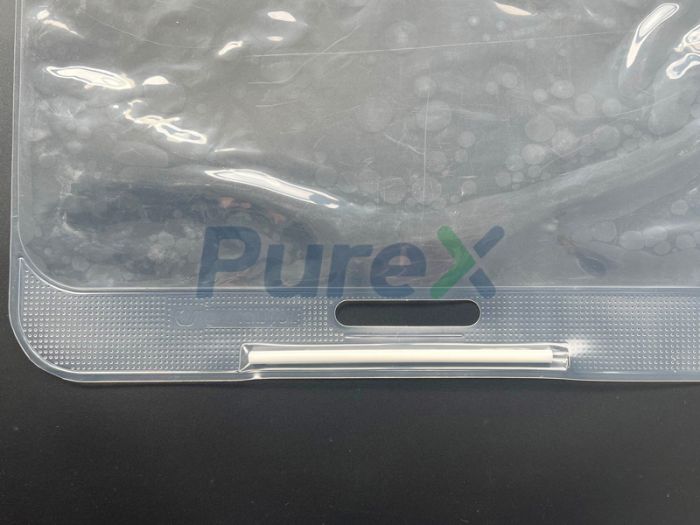
Collection bags are containers used for storing and organizing items, typically made of durable and easily foldable materials such as plastic or cloth. Their main function is to help people organize and arrange various small items, keeping them neatly stored for easy retrieval and use. Collection bags are widely used in various scenarios such as homes, offices, and travel, and can store clothing, stationery, toys, electronic accessories, etc.
1. Material Selection: Non-toxic: Choose non-toxic and harmless materials to ensure that biological samples are not contaminated within the bag. Leak-proof: Select materials with good sealing properties to prevent leakage of biological samples. Heat resistance: The material should be able to withstand common temperature changes to ensure that samples are not affected by temperature variations during transportation. Corrosion resistance: The material should have a certain degree of resistance to corrosion from chemicals such as acids and alkalis to prevent sample contamination. Mechanical strength: The transport bag should have sufficient mechanical strength to prevent breakage or damage during transportation, which could lead to sample loss or damage.
2. Size and Capacity: The size and capacity of the transport bag should be selected according to different needs to ensure that the bag can accommodate the sample volume and maintain the free flow of samples, avoiding sample mixing within the bag. 3. Sealing Performance: Double-layer seal: The bag should have a double-layer seal to ensure no damage or leakage during normal use. Self-adhesive seal: Equipped with a self-adhesive seal for quick and easy sealing by the user. Tear resistance: The bag material should have sufficient tear resistance to prevent accidental tearing during use.
4. Labeling Requirements: The transport bag should clearly label the sample's origin, type, quantity, collection date, and transport date to ensure traceability and identifiability.
5. Compliance Requirements: Ensure understanding and compliance with local and national laws and regulations regarding the transport of biological samples, including whether special licenses or documents are required.
6. Packaging and Leak-proof Measures: For liquid specimens, such as blood or biochemical fluids, leak-proof measures should be taken to ensure the container is well-sealed and reinforced.
7. Cold Chain Transportation: If the specimen needs to be transported under low-temperature conditions, ensure sufficient ice packs or refrigerant are added to the packaging and select a suitable refrigerated container for packaging.