
Infection prevention and control of drainage bags during postoperative drainage
I. Prevention and Control System
1. Clear Responsibilities: Each department should formulate and implement work procedures for the prevention and control of hospital-acquired infections related to drainage tubes, clearly defining the responsibilities of relevant personnel.
2. Training and Education: Strengthen the training and education of medical staff to ensure they are proficient in the prevention and control measures for hospital-acquired infections related to drainage tubes.
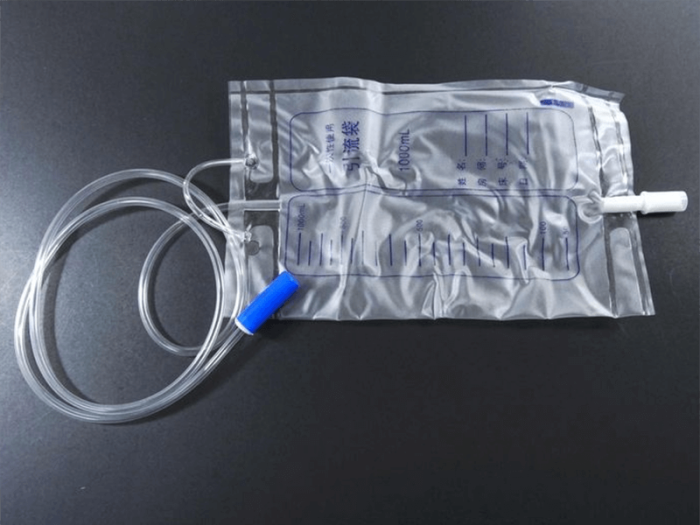
II. Management of Drainage Tubes
1. Maintain a Sterile Environment: A sterile environment must be maintained in the operating room during surgery to reduce the risk of infection.
2. Patency of Drainage Tubes: Maintain the patency of drainage tubes for drainage and flushing, ensuring timely drainage of fluid and preventing fluid or water accumulation.
3. Fixation of Drainage Tubes: Properly fix the drainage tubes to prevent pressure, twisting, or folding, ensuring effective drainage.
4. Observation of Drainage Fluid: Accurately calculate the inflow and outflow during flushing, closely observe the nature of the drainage fluid, and report any abnormalities to the doctor immediately.
III. Replacement and Cleaning of Drainage Bags
1. Regular Replacement: Replace the drainage bag regularly according to the patient's specific condition and the doctor's advice, avoiding prolonged use of the same drainage bag.
2. Skin Cleaning: When changing the drainage bag daily, pay attention to cleaning and disinfecting the skin around the drainage site. Sterile saline or medical alcohol can be used for cleaning. However, avoid using disinfectants containing alcohol to prevent irritation of the skin around the drainage site.
3. Keep Dry: Keep the drainage site dry to avoid water or fluid accumulation, reducing the risk of infection.
IV. Infection Monitoring and Management
1. Regular Checkups: Regularly check the patient's temperature, blood count, and other indicators to promptly detect and manage any abnormalities.
2. Complication Monitoring: Pay attention to potential complications, such as abdominal abscesses. Early identification is beneficial for optimizing management strategies.
3. Antibiotic Treatment: If infection occurs, treat with appropriate antibiotics as advised by the doctor.

.jpg)