
Industry Development Trends of Nonwoven Fabrics
I. Introduction to Nonwoven Fabrics
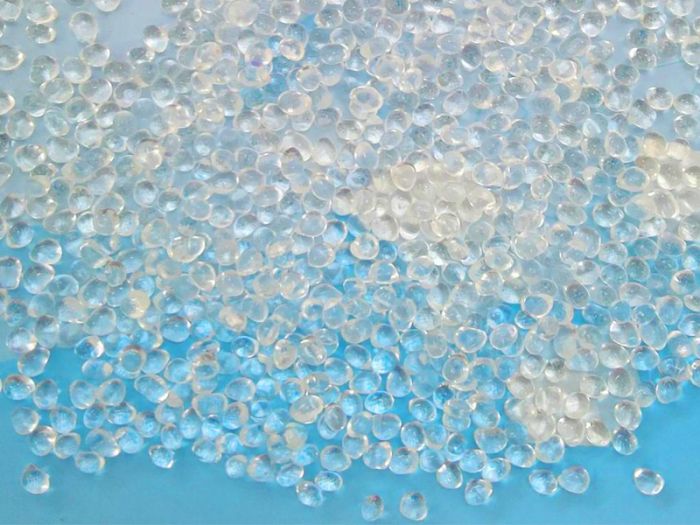
Nonwoven fabrics, also known as non-woven cloth, are a sub-sector formed by the innovative industrial application of nonwoven technologies such as needle punching, hydroentangling, thermal bonding, or chemical bonding in the traditional textile industry. The principle involves directly using polymer chips, short fibers, or filaments to form a web through airflow or mechanical means, followed by processes such as hydroentangling, needle punching, and thermal bonding for reinforcement. Finally, after finishing, a non-woven fabric is formed, a new type of fiber product with softness, breathability, and a planar structure.
II. Development Trends of the Nonwoven Fabric Industry
Nonwoven fabrics are a new type of fiber material with many excellent properties, such as good water absorption, strong breathability, and strong corrosion resistance. Therefore, nonwoven fabrics are widely used in many fields, such as hygiene products, clothing, agriculture, and industry. With the continuous improvement of people's requirements for quality of life, the nonwoven fabric industry has also developed rapidly. The policy environment for my country's nonwoven fabric industry is gradually improving, and relevant support policies are constantly being introduced.
In the future, the government will continue to increase its support for the nonwoven fabric industry, encouraging enterprises to strengthen technological innovation and product development, and promoting the industry's development towards high-end and intelligent directions. Furthermore, with the increasing global awareness of environmental protection, the nonwoven fabric industry will also benefit from environmental policies and gradually transform towards sustainable development.
.png)