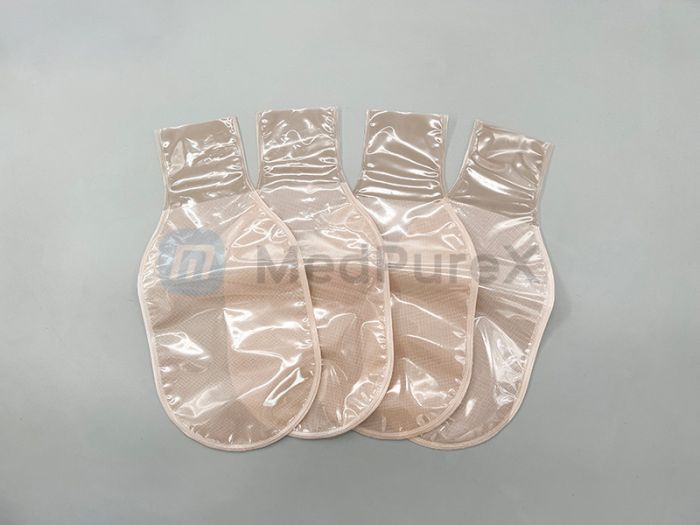
Materials and heat-sealing welding methods for balloon catheters
With the continuous development of medical technology, balloon catheters have become an indispensable part of the medical device industry. They play a vital role in the diagnosis and treatment of various diseases. However, to ensure the lifespan and safety of balloon catheters, the selection of materials and the heat-sealing welding method are crucial. This article will detail the materials used in balloon catheters and the methods of heat-sealing welding.
I. Materials of Balloon Catheters
1. Silicone Material
Silicone is a high-quality biomedical material with excellent biocompatibility and stability. Silicone balloon catheters have excellent elasticity and flexibility, allowing them to maintain their original shape within the human body for extended periods. Furthermore, silicone has good high-temperature resistance, allowing it to function normally at body temperature. Therefore, silicone balloon catheters are widely used clinically.
2. Polyurethane Material
Polyurethane is a high-performance plastic material with excellent wear resistance, corrosion resistance, and tensile strength. Polyurethane balloon catheters have good biocompatibility and can integrate well with human tissue. Simultaneously, the smooth inner wall of polyurethane catheters makes it less prone to blood clots adhering, which helps prevent thrombosis. Therefore, polyurethane balloon catheters are also used in some specialized fields. 3. Metal Materials
Balloon catheters made of metal are typically crafted from stainless steel or titanium alloys. These metals possess extremely high hardness and strength, enabling them to withstand significant pressure. Metal balloon catheters are widely used in fields requiring high catheter precision, such as cardiac surgery.
II. Heat-Sealing Methods for Balloon Catheters
1. High-Frequency Welding Method
High-frequency welding is an advanced heat-sealing method that uses the heat generated by high-frequency vibration to fuse two catheter segments together. During operation, the two catheter segments are placed on an ultrasonic generator, the parameters are adjusted, and the equipment is started. Once the catheters melt, the connection is complete. The advantages of ultrasonic welding are high connection strength, high speed, and the absence of specialized tools, making it convenient to operate. However, this method has a higher equipment cost and is not suitable for all catheter materials.
As a crucial component of medical devices, the choice of materials and heat-sealing methods for balloon catheters directly impacts product performance and safety. Therefore, during the production process, appropriate materials and welding methods should be selected based on actual needs to ensure product quality and reliability.
.jpg)