Precautions for the welding process of the infusion pressure bag storage airbag
During the welding process of the infusion pressure bag storage airbag, to ensure the welding quality and guarantee the safety and reliability of the product, the following key matters need to be noted:
1. Preparation before welding
Material inspection
Material confirmation: Ensure that the airbag material (such as TPU, PVC, etc.) meets the design requirements and has no damage, cracks or impurities.
Cleaning: Before welding, the welding part needs to be thoroughly cleaned to remove impurities such as oil, dust, etc. to prevent welding defects.
Equipment debugging
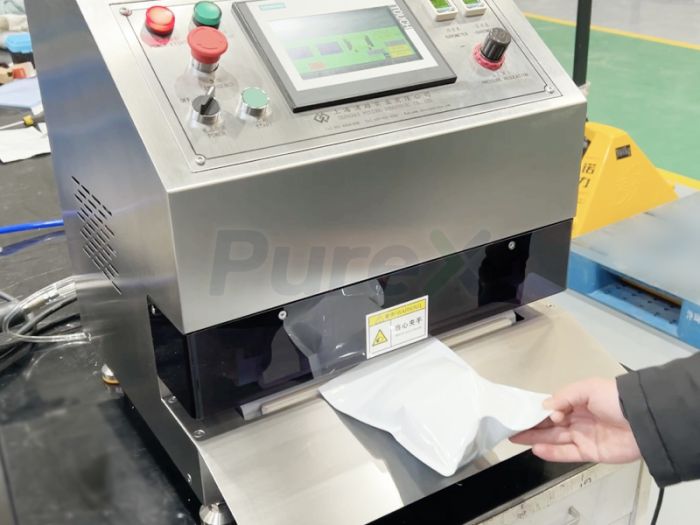
Parameter setting: Accurately set the welding temperature, time, pressure and other parameters according to the material type and thickness. For example, the welding temperature of TPU material is usually between 160℃-200℃, and the specific optimal value needs to be determined through experiments.
Equipment calibration: Regularly calibrate the welding equipment to ensure that components such as heating elements and pressure sensors work properly.
Tooling fixture preparation
Precise positioning: Use special tooling fixtures to fix the airbag to ensure that the welding parts are aligned and avoid welding offset.
Anti-deformation design: The tooling fixture should be designed reasonably to prevent the airbag from deforming during welding.
2. Control during welding
Temperature control
Uniform heating: Ensure that the welding area is heated evenly to avoid local overheating that causes excessive melting or burning of the material.
Real-time monitoring: Use infrared thermometers and other equipment to monitor the welding temperature in real time and adjust the heating power in time.
Pressure control
Pressure stability: Keep the pressure stable during welding to avoid pressure fluctuations that lead to inconsistent welding quality.
Moderate pressure: Too little pressure may lead to loose welding, and too much pressure may damage the material.
Time control
Accurate timing: Strictly follow the preset welding time to avoid welding time that is too long or too short.
Time compensation: For thicker materials, the welding time can be appropriately extended, but the optimal value needs to be determined through experiments.
Welding environment
Cleanliness: Welding should be carried out in a clean environment to avoid dust, impurities, etc. from contaminating the welding part.
Temperature and humidity: Control the temperature and humidity of the welding environment to avoid deformation of the material or affect the welding quality due to changes in temperature and humidity.
III. Inspection and processing after welding
Appearance inspection
Weld flatness: Check whether the weld is flat, free of bubbles, cracks and other defects.
Size compliance: Confirm that the size of the air storage bag after welding meets the design requirements.
Air tightness test
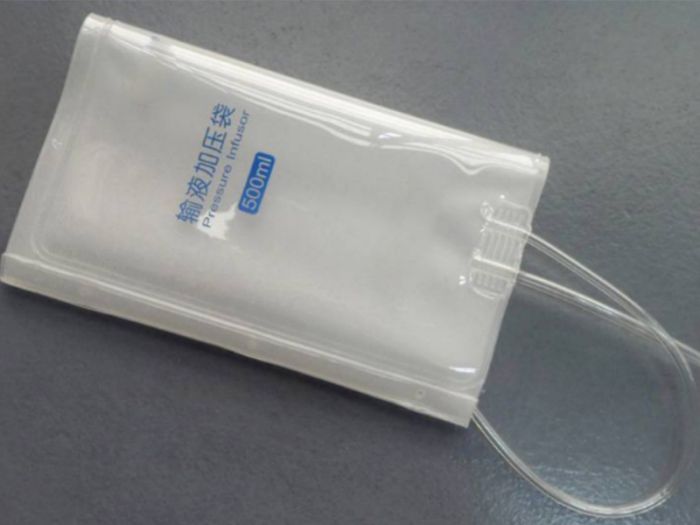
Pressure test: Inflate the air bag to a certain pressure, keep it for a while, and observe whether there is any leakage.
Leak detection: Use soapy water or a professional leak detector to detect whether there are bubbles at the weld.
Quality record
Data record: Record welding parameters, inspection results and other information in detail for easy traceability and improvement.
Defective product handling: Identify, isolate and handle defective products to prevent them from flowing into the next process.
IV. Safety and environmental protection
Safety protection
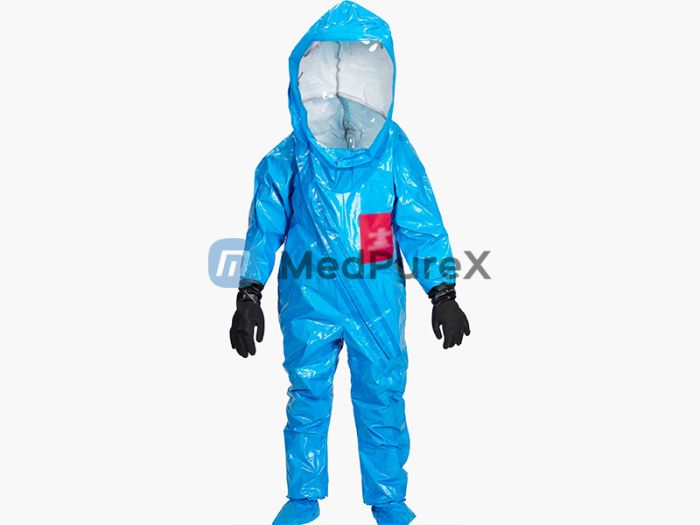
Operation specification: Operators need to wear protective clothing, gloves, goggles and other protective equipment to avoid burns or inhalation of harmful gases.
Equipment safety: Regularly check the safety performance of welding equipment to ensure good grounding and no safety hazards such as leakage.
Environmental protection requirements
Waste gas treatment: The waste gas generated during welding needs to be discharged through the exhaust system to avoid polluting the environment.
Waste recycling: Classify and recycle the waste generated by welding to reduce resource waste.
V. Continuous improvement
Process optimization
Test verification: Continuously optimize welding parameters through experiments to improve welding quality and efficiency.
Technological innovation: Introduce new welding technology and equipment to improve the level of production automation.
Personnel training
Skill improvement: Regularly conduct skill training for operators to improve their welding operation level.
Safety awareness: Strengthen safety education to improve the safety awareness and emergency response capabilities of operators.