Application of High-Frequency Welding Technology for TPU in Medical Catheter Sealing
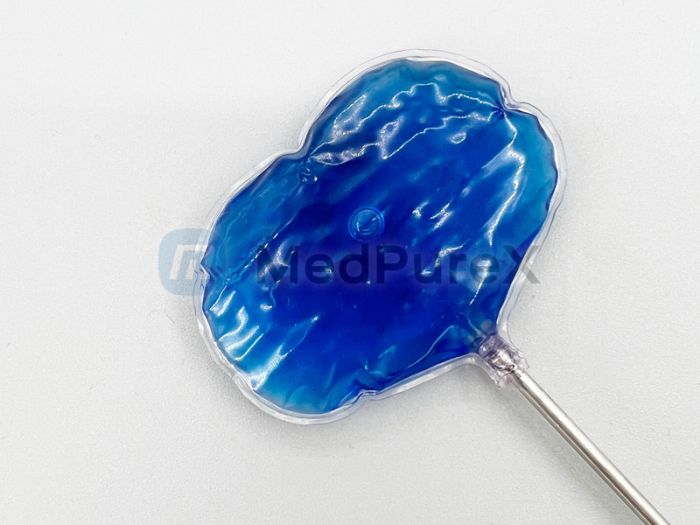
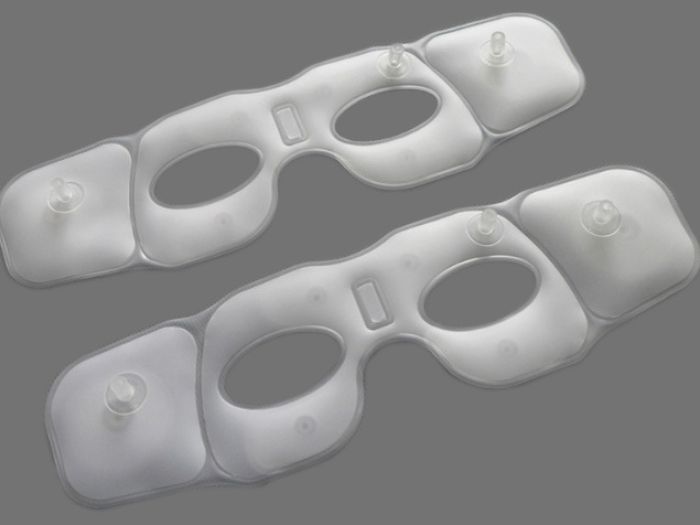
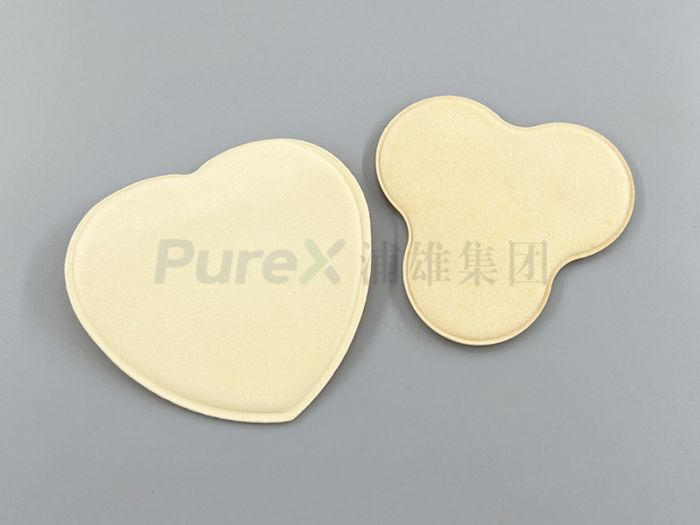
The application of high-frequency (HF) welding technology for thermoplastic polyurethane (TPU) is becoming increasingly widespread in the manufacturing of medical catheters. This is primarily due to TPU’s excellent biocompatibility, mechanical strength, wear resistance, chemical resistance, and superior processability. The following is a detailed analysis of the application of HF welding technology for TPU in the context of medical catheters:
I. TPU Material Characteristics and Medical Catheter Requirements
Biocompatibility: TPU possesses exceptional biocompatibility, meaning it does not trigger adverse reactions with human tissue, making it an ideal material for medical devices such as catheters.
Flexibility and Elasticity: The flexibility and elasticity of TPU allow medical catheters to be inserted and removed without damaging bodily tissues, thereby enhancing patient comfort.
Wear and Chemical Resistance: These properties ensure that medical catheters can withstand exposure to various chemical substances during use, maintaining both their structural stability and functionality.
II. Principles of High-Frequency (HF) Welding Technology
HF welding technology utilizes a high-frequency electric field to induce molecular oscillation within the plastic, generating thermal energy that fuses the plastic components together. This technique offers advantages such as rapid heating, high thermal efficiency, and strong fusion bonds, making it highly suitable for the welding of medical catheters.
III. Application of HF Welding Technology for TPU in Medical Catheter Manufacturing
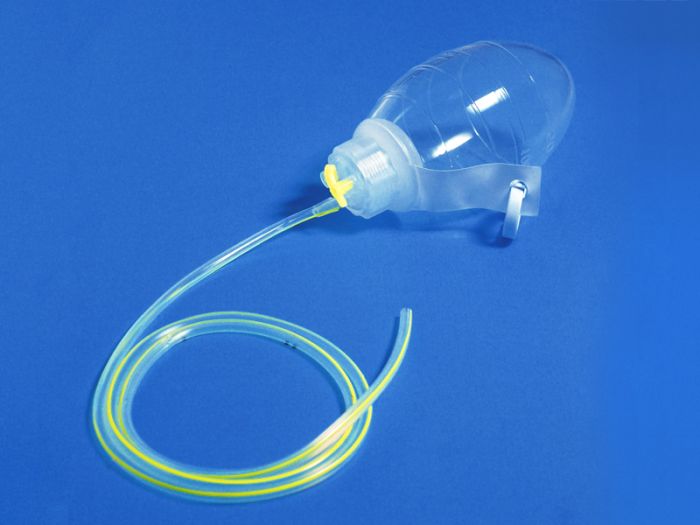
Catheter Fabrication: Through HF welding, TPU can be used to manufacture a variety of medical catheters, including infusion lines, urinary catheters, respiratory tubes, and cardiac catheters. During the welding process, these catheters retain their inherent flexibility and elasticity while achieving the necessary bond strength to meet clinical requirements.
Enhanced Production Efficiency: The rapid heating capability of HF welding technology significantly reduces the time required for the welding process, thereby increasing overall production efficiency.
Ensuring Product Quality: By precisely controlling parameters during the HF welding process—such as temperature, pressure, and duration—manufacturers can achieve optimal fusion, ensuring the quality and stability of the medical catheters. IV. Practical Applications
In real-world applications, many medical device manufacturers have adopted high-frequency (HF) welding technology for TPU (thermoplastic polyurethane) to produce medical catheters. For instance, advanced medical catheter welding machines—such as high-frequency TPU catheter welding and sealing systems—enable precise bonding of TPU medical catheters, ensuring consistent product quality and performance.
V. Future Trends
As medical technology continues to advance and patient expectations for the quality of medical care rise, the use of high-frequency TPU welding technology in the production of medical catheters is set to become even more widespread. Looking ahead, we can anticipate the emergence of more innovative TPU-based medical catheters, ultimately bringing greater convenience and improved health outcomes to the medical field.
In summary, high-frequency TPU welding technology plays a vital role in the fabrication of medical catheters; it not only enhances production efficiency and product quality but also effectively meets the medical sector's demand for high-quality medical devices.