
Medical sealing machine performance monitoring methods
The performance monitoring methods for medical sealing machines involve multiple aspects to ensure they meet the high standards of medical packaging in practical applications. The following is a detailed explanation of the performance monitoring methods for medical sealing machines:
I. Monitoring Purpose
The main purpose of monitoring the performance of medical sealing machines is to determine whether the sterile barrier system is sealing at a reasonable temperature and whether the paper-plastic sealing meets requirements. This directly relates to the sterility and safety of medical products.
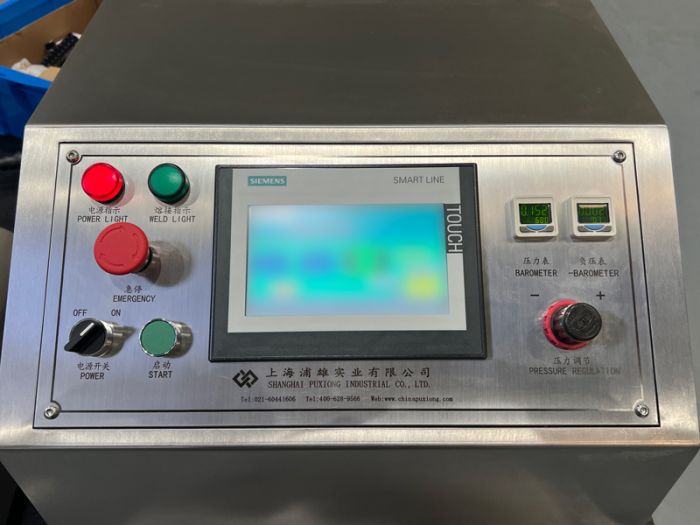
II. Monitoring Preparation
Equipment Preparation: Ensure the medical sealing machine is in good working order and check that all its functions are normal.
Materials Preparation: Prepare necessary materials such as sealing performance test strips, paper-plastic packaging bags, and cutters. Test strips should have a Ministry of Health approval certificate and be used within its validity period.
Personnel Preparation: Operators must wear dedicated long-sleeved work clothes, dedicated work shoes, and round caps, and wash their hands hygienically to ensure cleanliness and sterility during operation.
III. Monitoring Procedure
Power-on Preheating: Turn on the power to the medical sealing machine, set appropriate parameters according to the packaging material, and wait for the temperature to rise to the adjusted temperature.
Prepare the test item: Take out the sealing performance test strip and write the date, operator, and other information. Place the test strip inside the sealing material (≥20cm), ensuring proper placement.
Heat sealing test: Turn on the switch and seal the material. During this process, ensure all parameters of the medical sealing machine reach their operating values, and the width of the heat-sealing area should be ≥6mm.
Observation and recording: Observe and record the test results, including date, time, temperature, speed, and the person performing the test. Pay special attention to whether the sealing strength is ≥1.5N/15mm peak value, and whether the sealing shape is continuous and uniform, without wrinkles or leaks.
IV. Performance Index Monitoring
Sealing strength: The tightness of the seal is tested through a tensile test or an airtightness test. The tensile test involves fixing the item to be sealed and stretching it laterally until the seal breaks; the corresponding force value is recorded. The airtightness test uses a vacuum pump to seal the item and measures the pressure difference and airtightness inside and outside the container.
Leak-proof performance: Includes water and gas resistance tests. Water resistance testing involves immersing the sealed packaging bag in water to observe for leaks; gas resistance testing involves compressing and opening a gas source interface to observe for gas leaks.
Sealing speed: An experimental design measures the number of items that can be sealed per minute to assess production efficiency.
Temperature control: Real-time monitoring and adjustment of the sealing temperature ensures stable sealing quality.
V. Precautions
Daily inspection: Before daily use, the accuracy of parameters and the integrity of the closure of the medical sealing machine should be checked.
Environmental requirements: Ensure the environment where the medical sealing machine is placed is clean and tidy, and that the indoor temperature and humidity are set within appropriate ranges.
Data retention: Test sample data should be retained for at least 6 months for future reference.
The performance monitoring method for medical sealing machines is a systematic and comprehensive process involving multiple aspects such as equipment, materials, personnel, and processes. Strict monitoring and recording ensure that the medical sealing machine operates stably and reliably in practical applications, thereby guaranteeing the sterility and safety of medical products.
.png)
.jpg)