What equipment is used for the heat-sealing production of TPU protective covers for surgical robots?
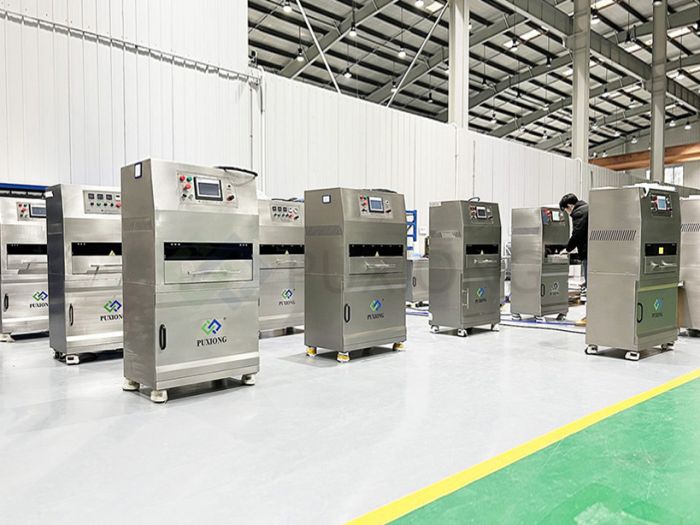
High-frequency (HF) heat-sealing equipment is primarily used for the heat-sealing production of TPU protective covers for surgical robots. This equipment utilizes heat generated by high-frequency electromagnetic waves to melt the TPU plastic film at the contact interface; by applying specific pressure, the materials are bonded together to form a strong, secure weld seam.
The specific roles and production steps of high-frequency heat-sealing equipment in the manufacture of these TPU protective covers are outlined below:
**Specific Functions**
**Heat-Sealing/Welding:** High-frequency heat-sealing machines efficiently and rapidly heat and weld TPU materials, ensuring the protective cover's seal integrity and sterility.
**Ensuring Seal Integrity:** Heat-sealing effectively prevents microorganisms and contaminants from entering the protective cover through the seams, thereby maintaining a sterile environment for the surgical robot during use.
**Production Efficiency:** These machines offer high-efficiency heating and welding capabilities, significantly boosting the production rate of the protective covers.
**Production Process**
**Material Preparation:** Prepare medical-grade TPU plastic film materials and subject them to rigorous inspection and testing.
**Cutting and Positioning:** Cut the TPU material according to design specifications and precisely position the areas to be welded.
**Pre-heating (if required):** Pre-heating the TPU material may sometimes be necessary to optimize welding results.
**High-Frequency Heat-Sealing:** Place the cut and positioned TPU material into the high-frequency heat-sealing machine. High-frequency electromagnetic waves heat the material to a molten state, and pressure is applied to create the weld. Precise control of parameters—such as heating temperature, pressure, and duration—is essential to ensure weld quality.
**Cooling and Setting:** Allow the weld seam to cool and set naturally after welding to ensure stability and structural integrity.
**Quality Inspection:** Inspect the finished protective covers for quality, checking factors such as seam seal integrity and visual appearance to ensure compliance with usage requirements.
**Packaging and Sterilization:** Package the approved protective covers and subject them to sterilization to ensure they remain sterile prior to use.
In summary, high-frequency heat-sealing equipment is indispensable to the production of TPU protective covers for surgical robots, playing a vital role in ensuring both product quality and production efficiency.