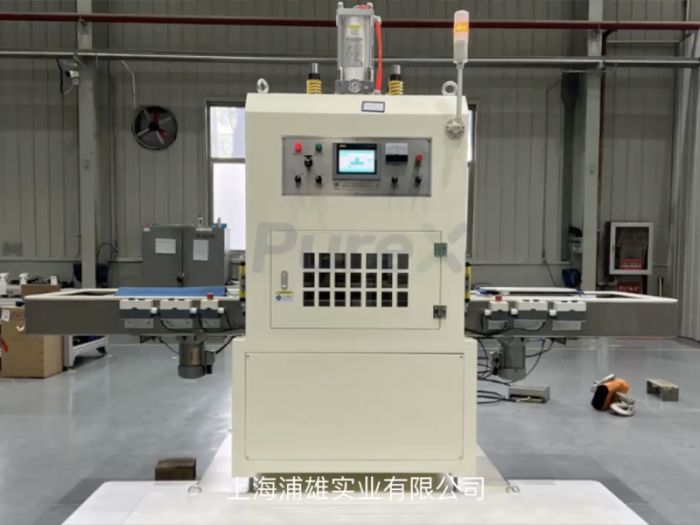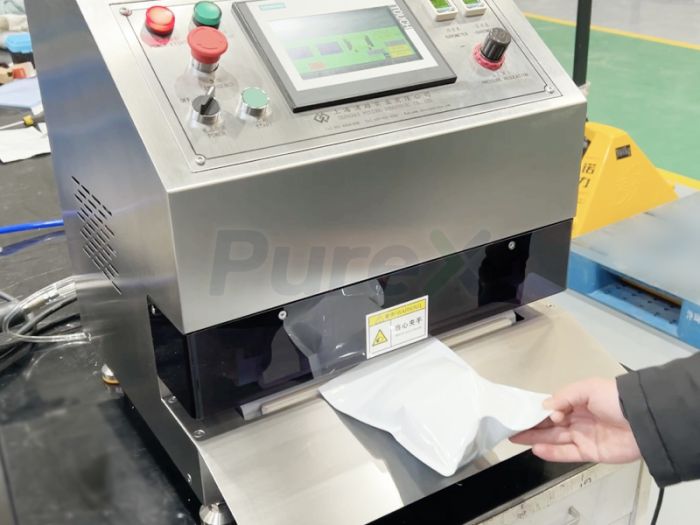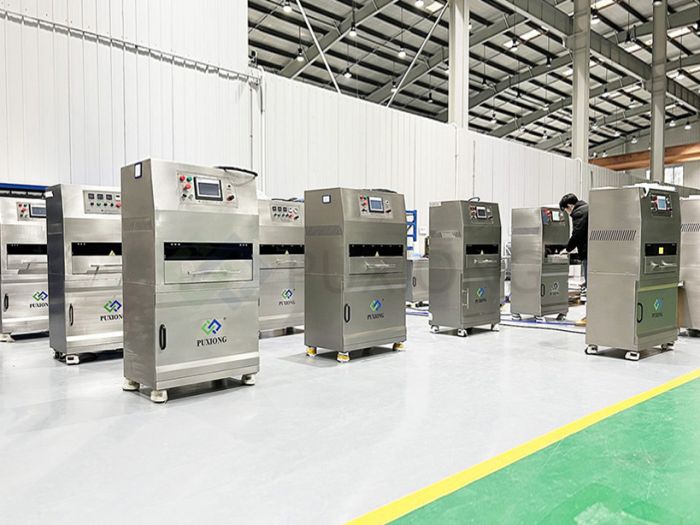
Heat sealing process of medical paper-plastic bags and their sealing machines
Medical paper-plastic bags, also known as medical sterilization packaging bags or medical disinfection bags, are a widely used packaging material in the medical industry. They are primarily composed of paper and plastic, manufactured through a specific process, and possess numerous excellent properties, making them suitable for the sterilization, preservation, and transportation of medical devices. Medical paper-plastic bags are widely used in hospital sterilization supply centers, operating rooms, dental departments, and other locations for the sterilization and preservation of medical devices. For example, sterile medical products such as syringes, catheters, probes, gauze pads, surgical gowns, artificial bones, and artificial organs can all be packaged and sterilized using medical paper-plastic bags.
The heat-sealing process of medical paper-plastic bag sealing machines is a crucial step in ensuring the airtightness, sterility, and safety of medical device packaging. The following is a detailed explanation of this process:
I. Preparation before heat sealing
Equipment inspection:
Ensure the sealing machine is intact and undamaged, with all components securely connected and free from looseness or damage.
Check the power supply, heating elements, etc., to ensure they are functioning properly and perform necessary preheating to bring the equipment to the required heat-sealing temperature.
Material Preparation: Select medical paper-plastic bags that meet the packaging requirements for medical devices, ensuring the material is undamaged and uncontaminated.
Place the medical paper-plastic bag to be heat-sealed on the heat-sealing machine's worktable, ensuring the material is flat and wrinkle-free.
II. Heat-Sealing Parameter Settings
Temperature Setting: Set an appropriate heat-sealing temperature based on the material characteristics of the medical paper-plastic bag and the heat-sealing requirements. The temperature setting should refer to the sealing temperature stated in the product technical specifications of the medical packaging material manufacturer, considering both the upper and lower temperature limits.
Pressure and Time Setting: Set appropriate heat-sealing pressure and time to ensure effective heat sealing. Pressure and time settings need to be adjusted according to the specific machine model and packaging material.
III. Heat-Sealing Process
Equipment Start: Press the start button; the heat-sealing machine will begin working. During the heat-sealing process, the equipment will automatically heat and pressurize the medical paper-plastic bag.
Close Observation: Operators should closely observe the heat-sealing process to ensure good heat sealing results. If any abnormalities occur (such as uneven material melting, air bubbles at the heat-sealed area, etc.), operation should be stopped immediately and adjustments made. IV. Post-Heat Sealing Processing
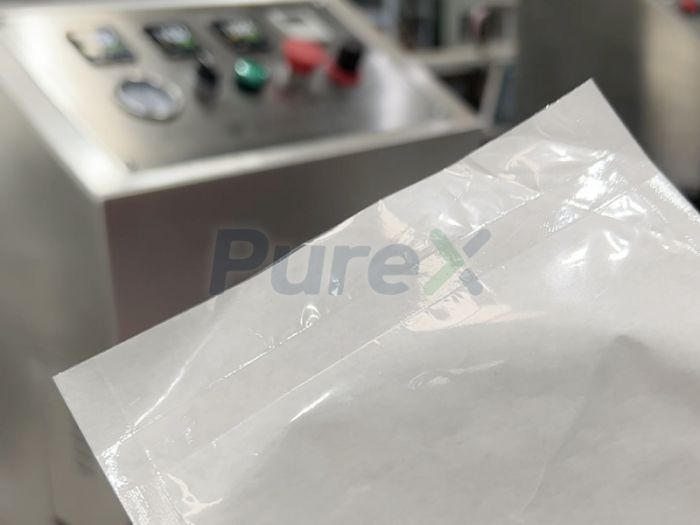
Cooling and Removal: After heat sealing, allow the equipment to cool to room temperature before removing the finished product and inspecting it. Check that the heat-sealed area is smooth, tight, and leak-free.
Cleaning and Maintenance: After operation, shut down the equipment and perform cleaning and maintenance. Clean any residue from the workbench and heating elements, keeping the equipment clean and tidy. Regularly maintain and inspect the equipment to ensure stable and reliable performance.
V. Precautions
Safe Operation: During operation, strictly adhere to operating procedures and safety regulations to ensure the safety of personnel and equipment.
Quality Control: Conduct rigorous quality inspection and control on the heat-sealed finished product to ensure that the packaging's sealing, sterility, and safety meet relevant standards and requirements.
Equipment Maintenance: Regularly maintain and service the sealing machine, including cleaning, lubrication, and tightening, to extend the equipment's lifespan and maintain good working condition.