
The Role of Blood Pressure Cuffs in Cardiovascular Health Management
I. Real-time monitoring of blood pressure changes
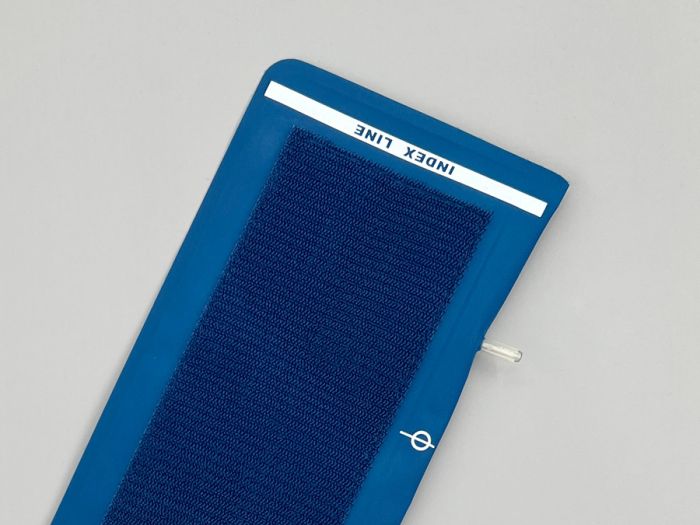
As a key tool for blood pressure measurement, the blood pressure cuff enables real-time monitoring of a patient's blood pressure. When used in conjunction with devices such as sphygmomanometers or patient monitors, the cuff allows for the non-invasive, automated measurement of systolic and diastolic blood pressure, providing physicians with continuous data. This real-time monitoring capability helps physicians stay informed about the patient's blood pressure status, facilitating accurate diagnoses and treatment decisions.
II. Assessment of cardiovascular health
Blood pressure is a crucial indicator for assessing cardiovascular health. Data obtained via blood pressure cuffs allows physicians to evaluate the risk of cardiovascular conditions, such as hypertension or hypotension. Furthermore, continuous monitoring helps physicians understand blood pressure fluctuations—such as morning hypertension or nocturnal blood pressure dips—enabling a more comprehensive assessment of the patient's cardiovascular health.
III. Guiding adjustments to treatment plans
For patients with diagnosed cardiovascular disease, the continuous blood pressure data provided by the cuff can guide adjustments to treatment plans. Physicians can modify the dosage and type of antihypertensive medication based on blood pressure trends and fluctuations to optimize therapeutic outcomes. Additionally, blood pressure cuffs help physicians promptly detect abnormal fluctuations—such as sudden spikes or drops in blood pressure—allowing for timely intervention to prevent the condition from worsening.
IV. Enhancing patient self-management capabilities
With the advancement of wearable medical technology, an increasing number of blood pressure cuffs offer portability and remote data transmission capabilities. Patients can measure their blood pressure at home and transmit the data to their physicians via mobile apps or cloud-based platforms. This approach to self-management not only boosts patient engagement and self-management skills but also enables physicians to stay updated on the patient's status and conduct remote monitoring and assessment.
V. Facilitating personalized health management
Integrating blood pressure cuffs with other health monitoring devices and applications creates a personalized health management system. By comprehensively analyzing data such as blood pressure, heart rate, physical activity, and sleep patterns, the system can provide patients with holistic health assessments and tailored recommendations. This personalized approach helps patients better understand their physical condition and adopt appropriate health management measures, thereby preventing and controlling cardiovascular disease. In summary, blood pressure cuffs play a multifaceted role in cardiovascular health management, including real-time monitoring of blood pressure fluctuations, assessment of cardiovascular health status, guidance for treatment adjustments, enhancement of patient self-management capabilities, and the facilitation of personalized health management. With continuous advancements in medical technology and the growing demand for health management, the application prospects for blood pressure cuffs in this field are increasingly promising.
.png)
.jpg)