
The Impact of Blood Transfusion Sets on Healthcare Reform
I. Improving the Quality of Medical Care
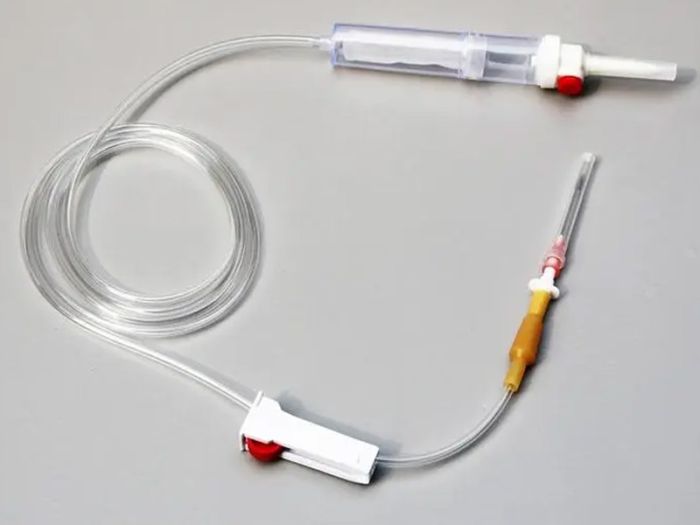
1. Safety and efficacy of the transfusion process: As critical medical devices for delivering blood and blood products, transfusion sets are designed and manufactured in strict accordance with medical standards and specifications, ensuring the safety and efficacy of the transfusion process. This helps reduce complications and adverse reactions during transfusions, thereby enhancing the overall quality of medical care.
2. Driving technological advancement: With continuous progress in medical technology, transfusion sets are also undergoing constant technical innovation and upgrades. For instance, intelligent and automated transfusion sets can monitor various parameters in real-time, ensuring the safety and effectiveness of the procedure. These technological advancements not only improve the quality of care but also drive the development of medical technology.
II. Ensuring Patient Safety
1. Reducing transfusion risks: Through rigorous screening and matching mechanisms, transfusion sets mitigate risks associated with blood type incompatibility and blood contamination. Additionally, they are equipped with various safety features—such as flow rate and temperature control devices—to ensure the safety of the transfusion process.
2. Minimizing complications: During the transfusion process, these devices minimize the introduction of debris (such as particles from puncture sites) and filter out impurities, thereby lowering the risk of transfusion-related complications and infections. This helps safeguard patient health and safety.
III. Fostering Technological Innovation
1. Developing new transfusion sets: Driven by growing medical needs and technological progress, the research and development of transfusion sets continues to evolve. New models offer enhanced safety and efficacy while meeting more diverse clinical requirements, thereby driving continuous innovation and development in the field.
2. Promoting industry chain collaboration: The R&D and production of transfusion sets require collaborative efforts across multiple disciplines, including materials science, biomedical engineering, and precision manufacturing. Healthcare reforms have fostered cooperation and communication among upstream and downstream enterprises, driving technological innovation and industrial upgrading.
IV. Promoting the Rational Allocation of Medical Resources
1. Optimizing medical resource allocation: During healthcare reform, the government and various sectors of society have optimized and adjusted the allocation of medical resources. As vital medical devices, the rational allocation and use of transfusion sets play a significant role in improving the efficiency of medical resource utilization. 2. Promoting healthcare equity: Promoting the use of high-quality, safe, and reliable blood transfusion sets helps narrow the healthcare gap between different regions and medical institutions, thereby fostering equity and accessibility in healthcare. This contributes to improving the health of the entire population and enhancing social well-being.
.jpg)