Uses, advantages and manufacturing process of fecal collection bags
I. Definition of Manure Collection Bags
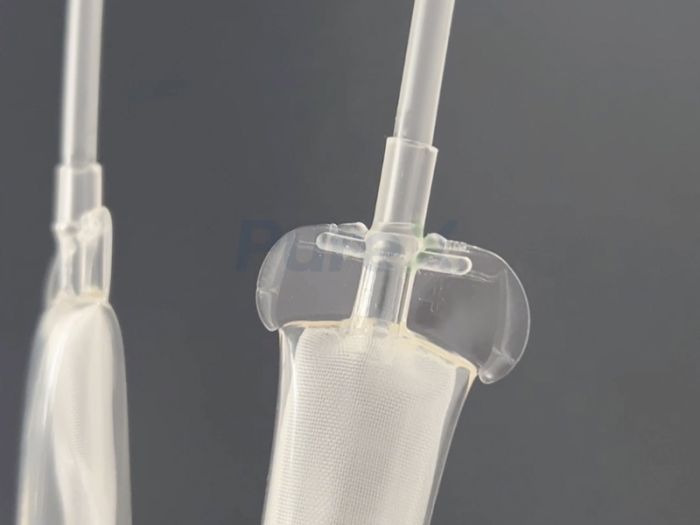
Manure collection bags, also known as manure collectors, are plastic products used for collecting and storing manure. They are mainly made of polyethylene (PE), polypropylene (PP), and other plastic materials, and are waterproof, moisture-proof, and corrosion-resistant. Manure collection bags are widely used in homes, farms, hospitals, laboratories, and other places, providing convenient and quick collection and treatment of manure.
II. Uses of Manure Collection Bags
1. Household Use: Manure collection bags can be used for household hygiene and cleaning, providing convenient and quick collection and treatment of manure, avoiding the tediousness of manual cleaning.
2. Farm Use: In farms, manure collection bags help farmers quickly collect livestock manure, reducing environmental pollution and improving farming efficiency.
3. Hospital Use: Manure collection bags help patients collect and treat manure, reducing the risk of disease transmission.
III. Advantages of Manure Collection Bags
1. Safety: Manure collection bags are waterproof, moisture-proof, and corrosion-resistant, effectively preventing manure leakage and ensuring personal and environmental safety.
2. Convenience: Fecal collection bags are small, lightweight, easy to carry and store, and very convenient to use.
3. High Efficiency: Fecal collection bags can hold large amounts of feces at once, saving manpower and resources and improving efficiency.
4. Economy: Fecal collection bags are inexpensive, have a long service life, and offer high cost-effectiveness.
IV. Fecal Collection Bag Manufacturing Process
The manufacturing process of fecal collection bags mainly includes the following steps:
1. Raw Material Preparation: Select suitable plastic materials as raw materials, such as polyethylene (PE) and polypropylene (PP). These materials have good chemical stability, wear resistance, and corrosion resistance, making them suitable for making fecal collection bags.
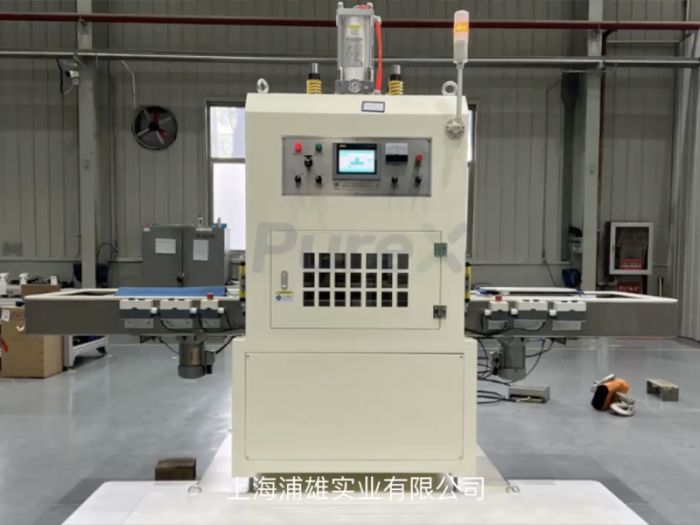
2. Heat Sealing: The prepared sheets are heat-sealed using a high-frequency heat sealing machine to form the finished fecal collection bag. The heat sealing process requires control of parameters such as temperature and pressure to ensure sealing performance and durability.
3. Cutting: The cooled and shaped product is cut using a cutting machine. During the cutting process, attention must be paid to factors such as cutting speed and tool wear to ensure cutting quality. 4. Packaging Inspection: Conduct quality inspections on the finished fecal collection bags, including aspects such as size, appearance, and sealing performance.