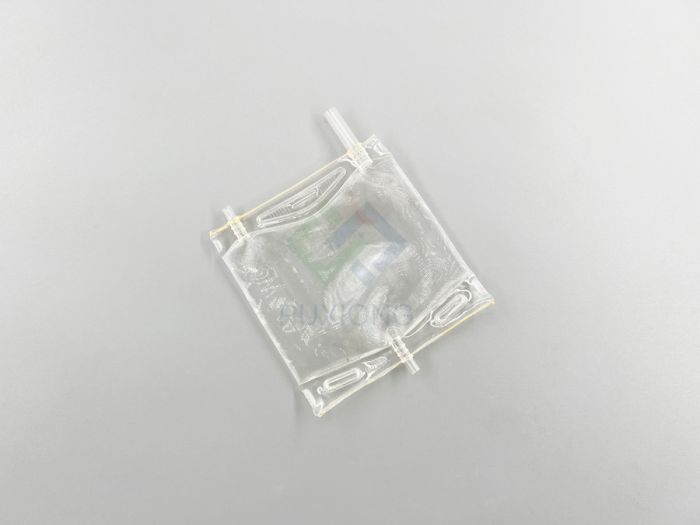
What types of urine bags are there
Rubber Urine Bag:
Made from natural rubber, it offers good elasticity and high softness but is prone to aging and rupture. Suitable for short-term use.

PVC Urine Bag:
Manufactured from polyvinyl chloride, it provides excellent corrosion resistance and mechanical strength. However, it may release harmful substances, requiring strict quality control.
Silicone Urine Bag:
Made of silicone material, it offers excellent biocompatibility, softness, and is non-irritating. However, it is more expensive and is often used for patients requiring higher safety standards.
By Purpose
Disposable Urine Bag:
Designed for single use and disposal to prevent cross-contamination. Commonly used for patients requiring short-term catheterization.
Reusable Urine Bag:
Can be used multiple times through regular cleaning and disinfection. Suitable for patients requiring long-term indwelling catheters, with strict adherence to sterilization protocols.
By Function
Standard Urine Bag:
A basic product with a capacity of approximately 1000 ml, requiring replacement twice a week to meet basic urine collection needs.
Anti-Reflux Urine Bag:
Equipped with an anti-reflux device to prevent backflow and reduce infection risks. Features a wider tube diameter, rigid texture to resist kinking, and a capacity of up to 2000 ml, reducing the frequency of replacement.
Master-Slave Urine Collector:
Consists of a precise measuring bottle and a T-shaped drainage valve, allowing one-handed operation and avoiding urine contact. Ideal for ICU patients requiring hourly urine output monitoring.
Waist-Side Urine Bag:
Designed for patients post-total cystectomy, it includes a daytime version (with urine collection chamber, catheter, storage bag, etc.) and a nighttime version. Facilitates external urine collection to minimize infection risks.
.jpg)