Anti-toxic suits and their high-frequency electric heating processing technology
1. Introduction to Chemical Protective Clothing
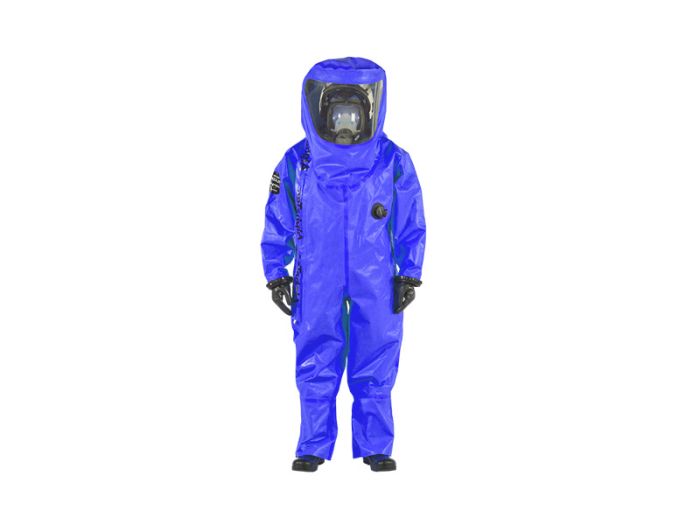
Chemical protective clothing, as the name suggests, is specialized gear designed to shield wearers from toxic gases, vapors, fumes, and other hazardous substances. With the rapid development of industrial and chemical industries, both the variety and concentration of toxic substances have increased significantly, making such clothing indispensable for professionals working in these fields. This article will outline the features, structure, and protective principles of chemical protective clothing, with a focus on the application, production processes, and workflows of high-frequency electric heating welding machines in their manufacturing.
2. Features and Structure of Chemical Protective Clothing
Features
- High-Efficiency Filtration: Utilizes advanced filtering materials to effectively remove toxic substances from the air, safeguarding the respiratory system.
- Breathable Comfort: Incorporates specialized breathable fabrics to ensure airflow while maintaining stable body temperature.
- Anti-Static Properties: Designed to prevent static sparks, reducing the risk of explosions in flammable environments.
- Abrasion Resistance and Durability: Constructed from high-quality materials for enhanced wear resistance and longevity.
Structure
Chemical protective clothing typically comprises three layers:
- Outer Layer: Waterproof, abrasion-resistant, and anti-static fabric.
- Middle Layer: Filtration layer, often made of microporous polyethylene or activated carbon fiber.
- Inner Layer: Thermal insulation layer, usually composed of synthetic fiber.
Additional components include a protective hood with goggles, respirators, and other accessories.
3. Application of High-Frequency Electric Heating Welding Machines in Manufacturing
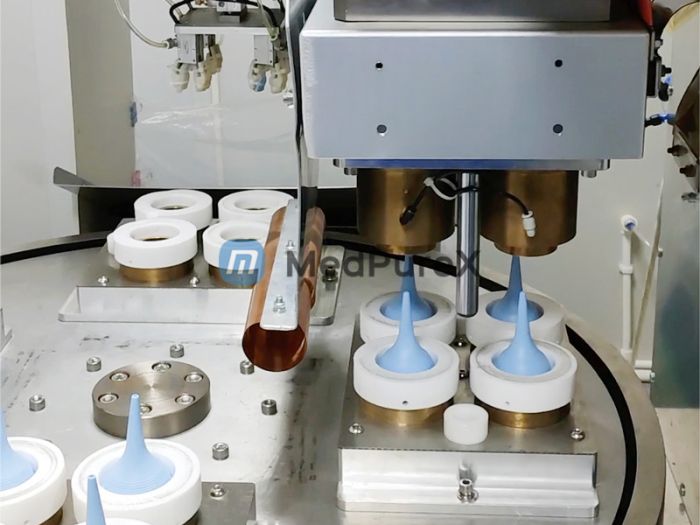
High-frequency electric heating welding machines use high-frequency currents to generate heat, melting and bonding materials. In the production of chemical protective clothing, these machines are applied in the following areas:
- Seam Welding: Critical joints (e.g., between respirators and mask frames, or masks and helmets) are welded rapidly to improve efficiency.
- Heat Press Bonding: Securely bonds two components of the clothing through heat and pressure, ensuring structural integrity.
- Heat Sealing: Enhances overall performance by sealing edges and seams for improved durability and protection.
4. Production Processes and Workflow Using High-Frequency Electric Heating Welding Machines
- Preparation: Inspect equipment functionality and prepare raw materials/tools.
- Seam Welding:
- (1) Place materials in the machine’s夹具 (fixture).
- (2) Set appropriate temperature and duration; initiate welding.
- (3) Inspect results and adjust as needed.
- Heat Press Bonding:
- (1) Position materials in the夹具.
- (2) Configure settings and activate bonding.
- (3) Verify bond strength and refine if necessary.
- Heat Sealing:
- (1) Place clothing in the machine’s sealing mold.
- (2) Apply heat and pressure under predefined parameters.
- (3) Check sealing quality and repeat if required.
- Quality Inspection: Test finished products to ensure compliance with standards.
- Packaging and Shipment: Package approved items for delivery.