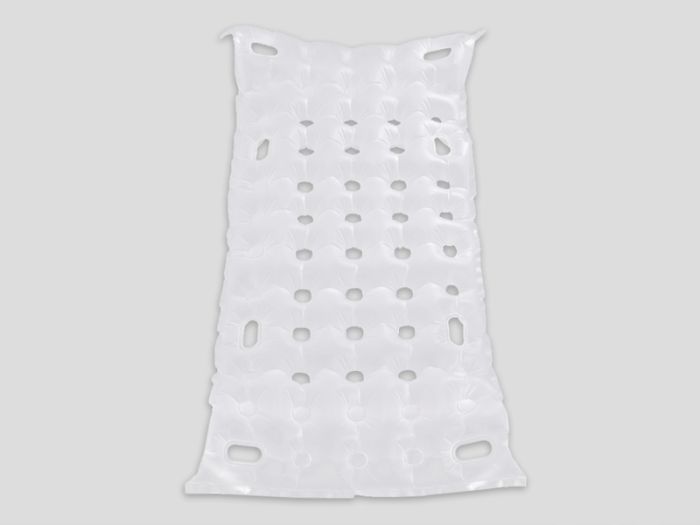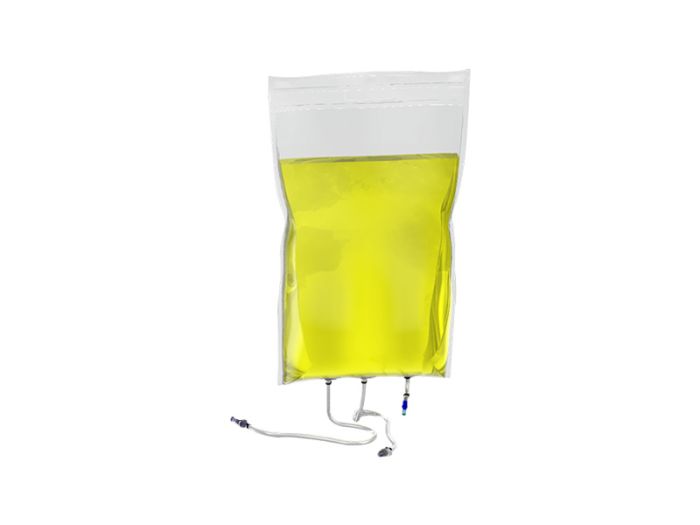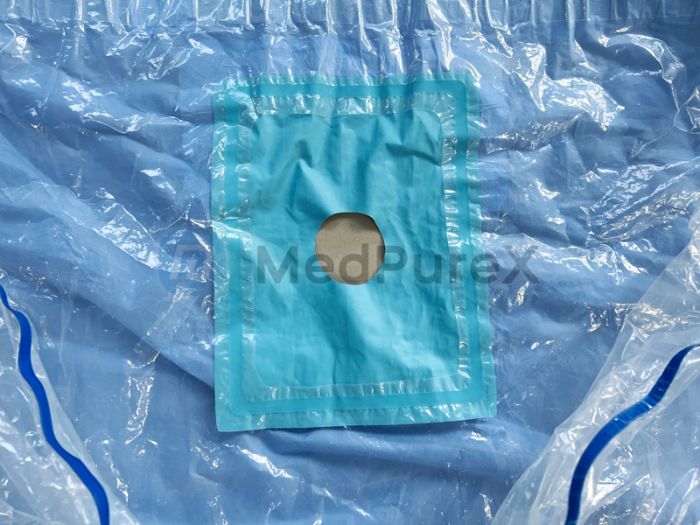
The materials and production processes for making pockets
Materials of Ostomy Bags
The materials used for ostomy bags are typically soft, waterproof, and corrosion-resistant medical-grade materials to ensure safety and comfort during use. Common materials include:
- Polyethylene (PE) and Polyvinyl Chloride (PVC): These materials offer excellent waterproofing and corrosion resistance, are free of harmful substances, and are safe and reliable. They are often used to make the stool collection bag portion of ostomy bags.
- Silicone Rubber: Silicone rubber provides outstanding elasticity and biocompatibility, frequently used to create the adhesive ring or stoma ring of ostomy bags to ensure a secure, skin-friendly seal and comfort.
- Non-Woven Fabric: Non-woven fabric is commonly used for the baseplate or soft edges of ostomy bags to enhance comfort and breathability.
- Composite Materials: Composite materials such as Ethylene Vinyl Acetate (EVA) and Polyvinylidene Chloride (PVDC) are also utilized to improve durability and sealing performance.
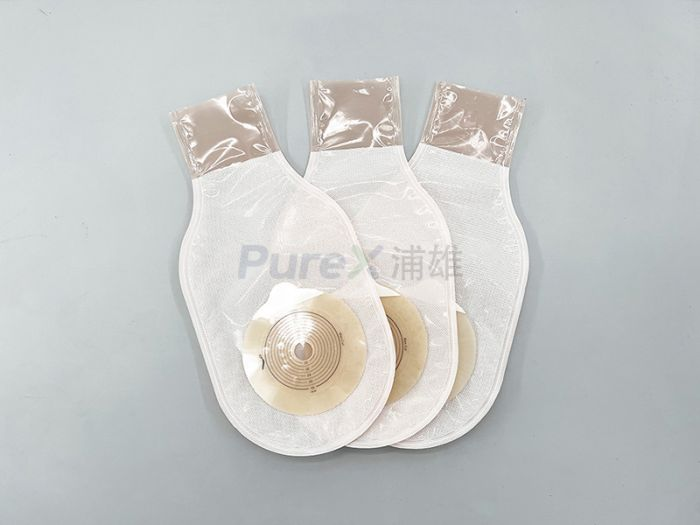
Production Process of Ostomy Bags
The production process involves multiple steps to ensure product quality and performance. A simplified workflow includes:
- Material Preparation: Select medical-grade raw materials such as PE, PVC, silicone rubber, and non-woven fabric.
- Cutting and Molding: Raw materials are cut into required shapes and sizes, then molded into components via heat sealing, injection molding, or other techniques.
- Assembly: Components such as adhesive rings, stoma rings, and collection bags are assembled, ensuring tight integration and sealing.
- Welding and Trimming: High-frequency heat sealing technology is used for welding and trimming. This method employs high-frequency electromagnetic fields to generate internal heat, melting the materials, followed by mold pressure to fuse them. This ensures sealing integrity and durability.
- Quality Inspection: Finished products undergo rigorous checks for sealing, durability, comfort, and compliance. Only qualified products proceed to market.
- Packaging and Storage: Approved products are packaged and stored for distribution and sale.
High-frequency heat sealing welding of surgical warming blankets