The heat sealing production process of TPU medical monitor airbags
1. Material selection
TPU material: Select thermoplastic polyurethane (TPU) material that meets medical grade standards to ensure that it is non-toxic, odorless, environmentally friendly, and has good biocompatibility, elasticity, wear resistance, aging resistance and weather resistance. These characteristics make TPU an ideal material for medical monitor airbags.
2. Pretreatment
Cutting: According to the design requirements of medical monitor airbags, use professional cutting equipment (such as laser cutting machine or mechanical cutting machine) to cut TPU materials into the required shape and size.
Preheating (optional): In order to improve the efficiency and quality of heat bonding, some equipment will preheat the TPU material. Preheating can make the material easier to melt during the heat bonding process and improve the bonding effect.
3. Heat bonding operation
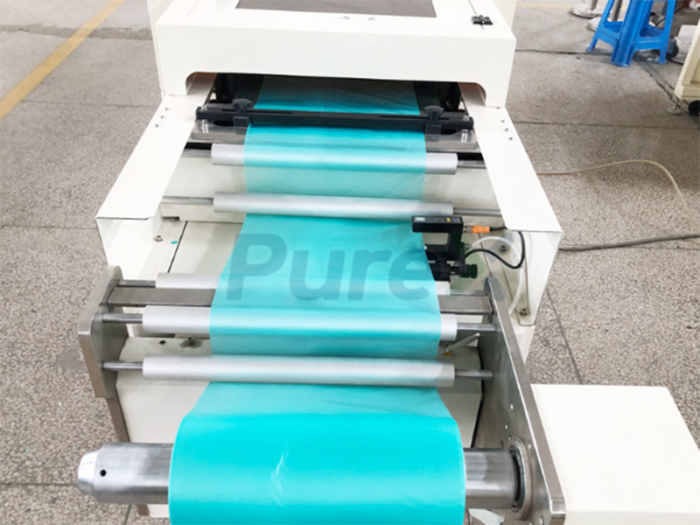
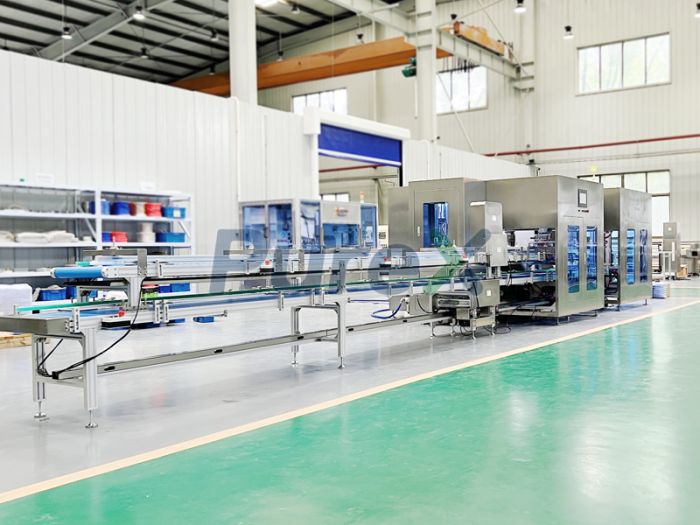
Equipment selection: Select appropriate heat bonding equipment according to production needs. Common heat bonding equipment includes high-frequency and high-frequency heat bonding machines. These equipment have their own advantages and disadvantages and need to be selected according to specific material properties and product requirements.
Placing materials: Place the cut TPU material on the mold or workbench of the heat bonding equipment according to design requirements. Ensure that the material is positioned accurately so that a uniform weld can be formed during the heat-sealing process.
Heating and pressure: Start the heat-sealing equipment and apply appropriate temperature and pressure to the material. During the heating process, the TPU material melts together. Parameters such as heating temperature, pressure and time need to be precisely controlled according to the material characteristics and product requirements.
IV. Post-processing
Cooling and shaping: After the heat-sealing is completed, the material is cooled to quickly shape and maintain a stable shape and size. The cooling rate also needs to be adjusted according to the material characteristics and product requirements.
Quality control: During and after the heat-sealing process, the product quality needs to be strictly controlled. Check the firmness, sealing and appearance quality of the weld to ensure that the product meets medical-grade standards.
V. Precautions
Operating specifications: Operators need to comply with operating specifications and safety regulations to ensure safety and stability during the production process.
Equipment maintenance: Regularly maintain and maintain the heat-sealing equipment to ensure its normal operation and extend its service life.
Environmental protection requirements: Use environmentally friendly TPU materials and heat-sealing processes to meet the environmental protection requirements of modern medical equipment.
VI. Conclusion
The heat-sealing production process of TPU medical monitor airbags is a complex and delicate process, which requires strict control of parameters and quality in each link. By accurately controlling the heat-sealing parameters and strict quality control, high-quality and high-reliability TPU medical monitor airbag products can be produced.
.jpg)