Enhancing Safety Standards: In-depth Analysis of Heat Sealing Connection Technology for Medical Blood Transfusion Devices
1. Overview of heat-sealing technology
Heat-sealing technology is a process method that melts and fuses plastic parts together by heating. In the manufacture of medical blood transfusion sets, this technology is mainly used to connect the various parts of the blood transfusion set, such as blood transfusion bags, blood transfusion tubes and blood transfusion needles. Heat-sealing technology has the advantages of high connection strength, good sealing and short process time, so it has been widely used in medical device manufacturing.
2. Heat-sealing process flow
The process flow of heat-sealing of medical blood transfusion sets mainly includes the following steps:
Pretreatment: Pretreatment of the parts to be connected, including cutting, cleaning, drying, etc., to ensure the flatness and cleanliness of the connection surface and reduce the impact of impurities on the connection quality.
Heat-sealing: Place the parts to be connected in the heat-sealing equipment and heat the parts to above the melting point or glass transition temperature through heating elements (such as hot plates, heating wires, etc.). The heating temperature and time need to be precisely controlled during the heating process to avoid deformation or uneven melting of the parts due to overheating. When the heated parts reach a suitable molten state, quickly press the parts together. A certain amount of pressure needs to be applied during the pressing process to ensure that the molten material is fully diffused on the joint interface and forms a strong connection.
Cooling: After the pressing is completed, the connection part is cooled to allow the molten material to resolidify and solidify. The cooling process helps to improve the strength and stability of the connection.
Inspection: The quality inspection of the parts after the heat-sealed connection, including sealing test, strength test, etc., is carried out to ensure that the connection quality meets the standard requirements.
III. Key measures to improve safety standards
In order to improve the safety standards of heat-sealed connections of medical blood transfusion devices, the following key measures can be taken:
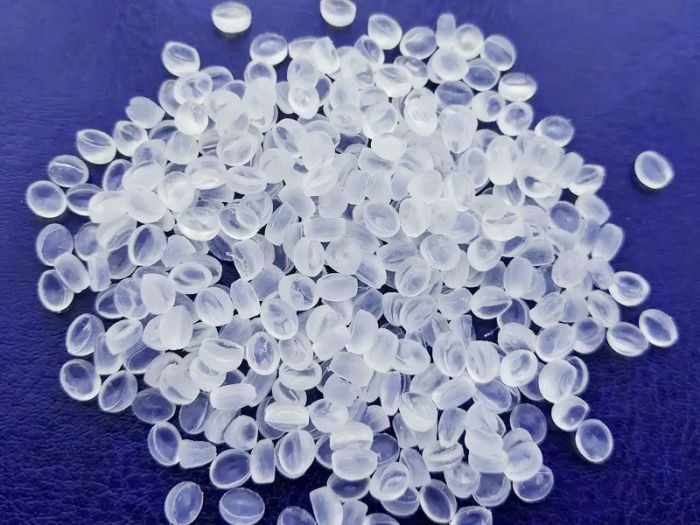
Select high-quality materials: Select medical-grade polymer materials that meet medical device standards, such as polyvinyl chloride (PVC), polyolefin (PO), etc. These materials have good biocompatibility, chemical resistance and aging resistance, and can meet the safety requirements of medical use.
Accurate control of process parameters: During the heat-sealed connection process, it is necessary to accurately control process parameters such as heating temperature, heating time, and pressure. By optimizing process parameters, the strength and sealing of the connection can be improved, and quality problems caused by improper process can be reduced.
Strengthen quality inspection: Establish a complete quality inspection system and conduct strict quality inspection on the parts after heat-sealing connection. Through means such as sealing test and strength test, ensure that the connection quality meets the standard requirements and reduce the risks of bleeding and infection during use.
Introduce automation and intelligent technology: With the development of automation and intelligent technology, it can be introduced into the production process of heat-sealing connection of medical blood transfusion sets. Through automated equipment and intelligent control systems, precise control and efficient production of heat-sealing connection process can be achieved, and production efficiency and product quality can be improved.
Continuous improvement and innovation: Pay attention to industry dynamics and technological development trends, and continuously improve and innovate heat-sealing connection technology. By introducing new materials, new processes and new equipment, the overall performance and safety level of medical blood transfusion sets can be improved.
Improving the safety standards of heat-sealing connection of medical blood transfusion sets requires multiple aspects, including the selection of high-quality materials, precise control of process parameters, strengthening quality inspection, introducing automation and intelligent technology, and continuous improvement and innovation. Through the implementation of these measures, it can be ensured that the connection quality of medical blood transfusion sets meets the standard requirements and provide patients with safer and more reliable medical services.
.jpg)