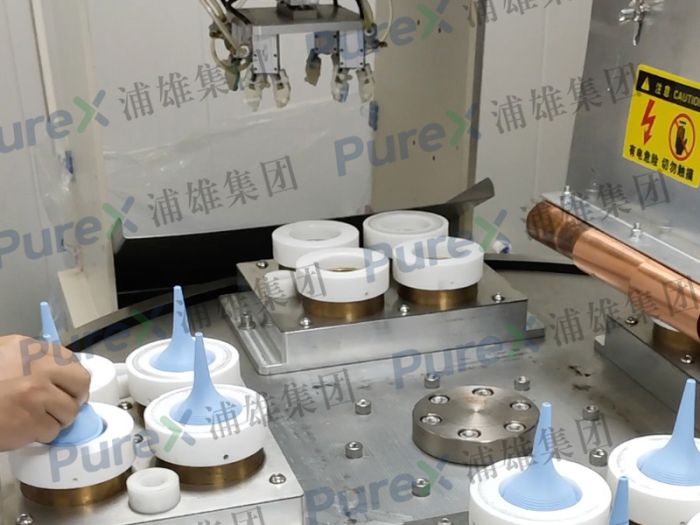
Reveal the material and production process of the ostomy bag
I. Common Materials for Ostomy Bags
The materials used for ostomy bags are typically soft, waterproof, and corrosion-resistant to ensure effective collection of waste while maintaining patient comfort and hygiene. Common materials include:
- Silicone: Silicone ostomy bags offer excellent flexibility and corrosion resistance, adapting to stoma needs in various locations. Silicone also provides breathability, reducing skin moisture and discomfort.
- Polyurethane: Polyurethane bags are highly durable and flexible, effectively preventing leaks. Additionally, polyurethane boasts strong biocompatibility, minimizing skin irritation.
- Polyethylene: This medical-grade plastic is non-toxic, odorless, and corrosion-resistant. Polyethylene bags are cost-effective, easy to manufacture, and widely used in healthcare.
II. High-Frequency Thermal Bonding Process
High-frequency thermal bonding is an efficient, rapid, and eco-friendly technique widely applied in ostomy bag production. Key applications include:
- Material Bonding: Securely fusing components (e.g., bag body, discharge port) to ensure durability and leak-proof sealing.
- Edge Trimming and Sealing: Simultaneously cutting and sealing edges for smoothness and airtightness.
- Customized Designs: Embossing patterns, text, or shapes to meet personalized patient needs.
III. Cutting Techniques
Precision cutting is critical in ostomy bag manufacturing. Common methods include:
- Mechanical Blade Cutting: Traditional cutting with high precision.
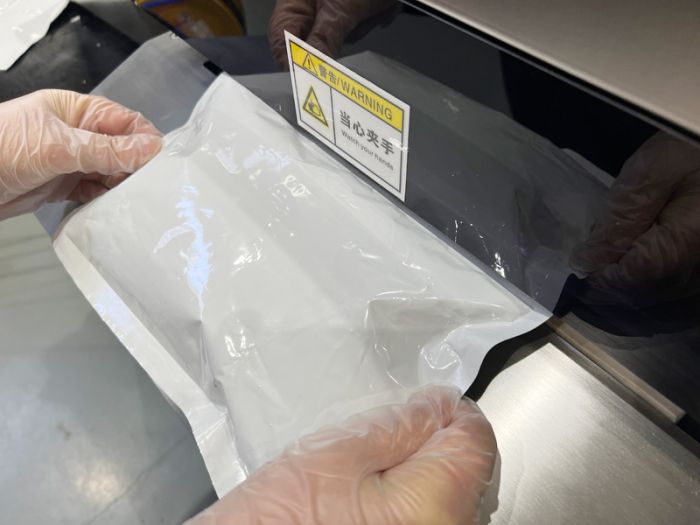
- High-Frequency Melt Cutting: Combines cutting and edge sealing via high-frequency energy, ensuring clean edges and enhanced accuracy.
.jpg)